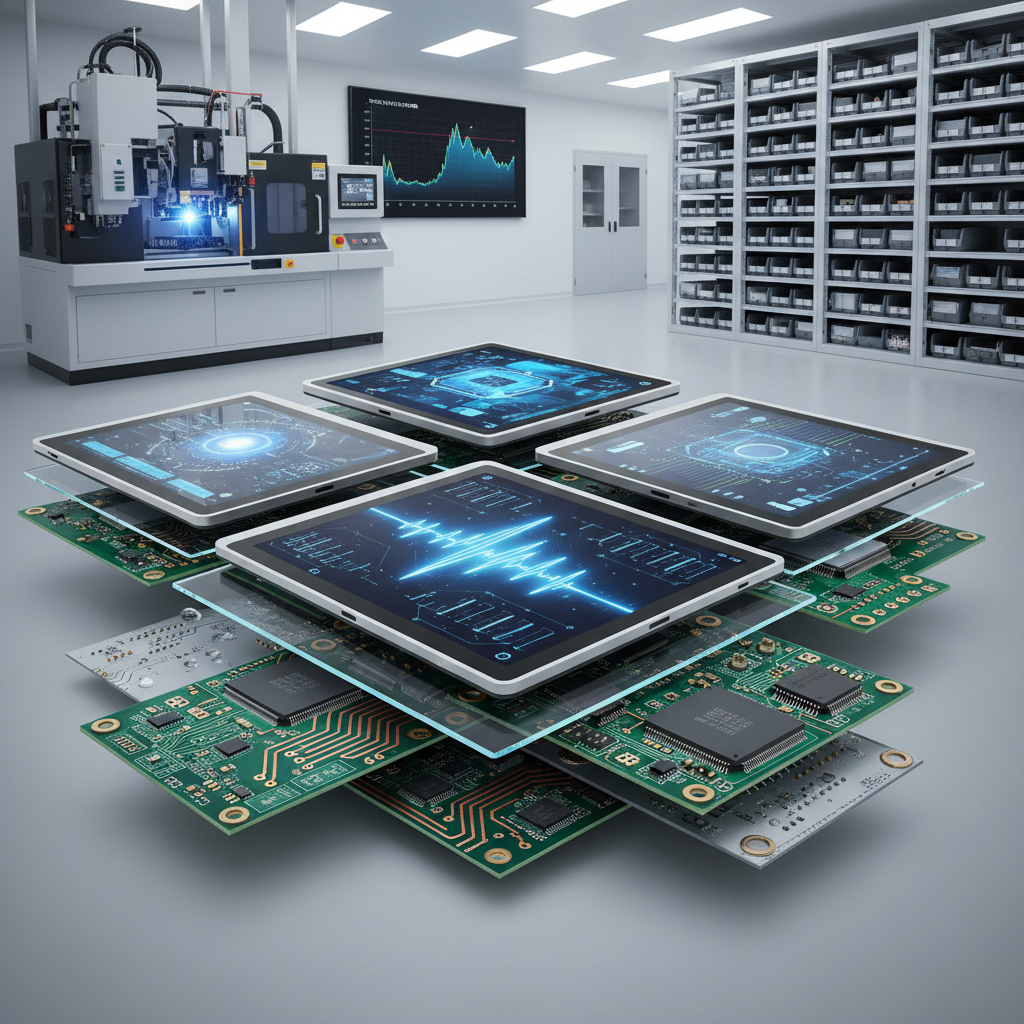
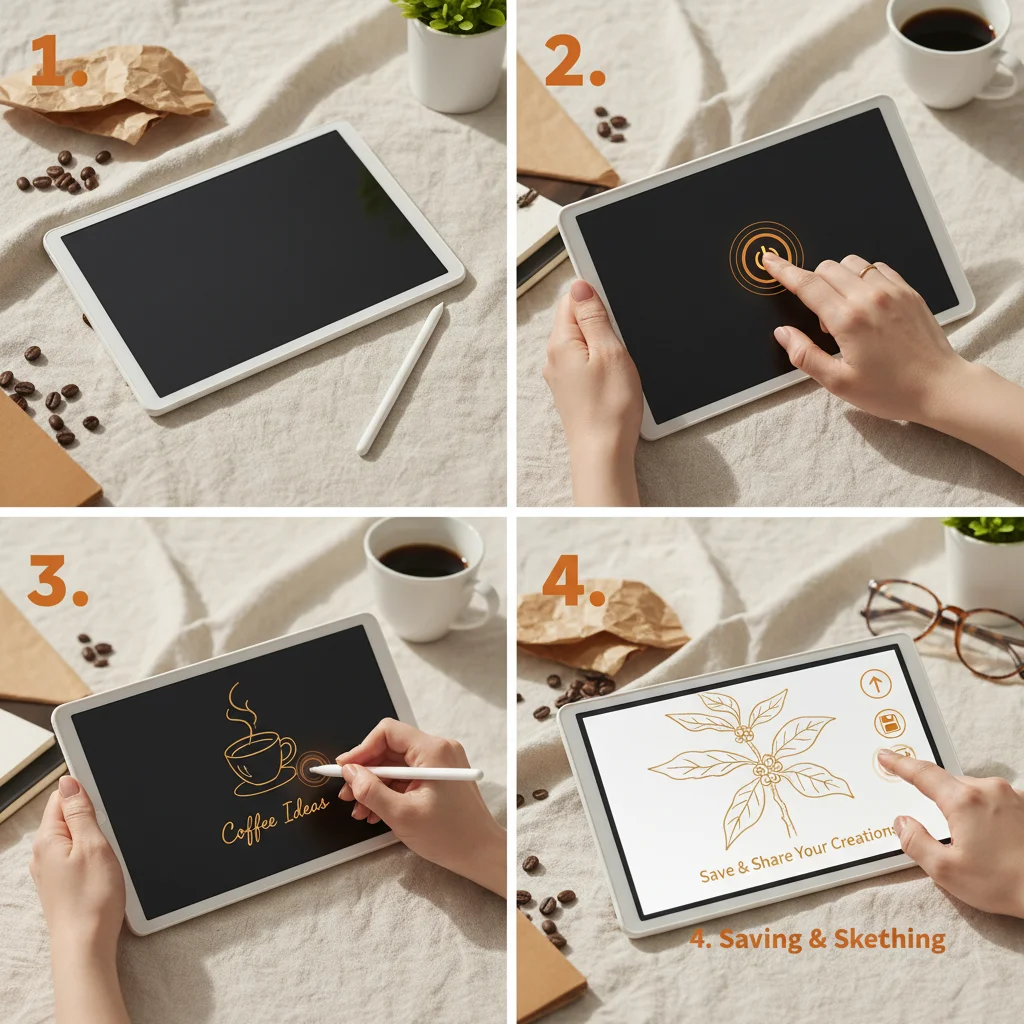
In an era dominated by backlit screens and digital distractions, the resurgence of tactile note-taking has led to a significant increase in the demand for writing tablets for adults. These devices bridge the gap between the traditional feeling of pen-on-paper and the efficiency of modern electronic waste reduction, offering a sustainable alternative for professionals, artists, and students alike.
The global shift toward "paperless" environments is not merely a trend but a necessity driven by environmental concerns and the need for streamlined workflows. For many adults, the cognitive benefits of handwriting—such as improved memory retention and focused brainstorming—are irreplaceable, making high-quality digital writing surfaces an essential tool in the modern workspace.
Whether used for rapid sketching in a boardroom or as a digital checklist in a high-pressure industrial environment, writing tablets for adults provide a seamless way to capture thoughts without the clutter of notebooks or the fragility of standard tablets. Understanding the technology and application of these tools is key to optimizing personal productivity in the 21st century.
Global Relevance of Digital Note-Taking
Across the globe, the transition to digital workflows has accelerated, yet the fundamental human need to write by hand remains. Statistics from international productivity studies suggest that handwriting activates more complex brain networks than typing, which is why writing tablets for adults have seen a surge in adoption within the corporate and educational sectors of North America, Europe, and Asia.
The challenge lies in balancing the tactile nature of ink with the portability of data. Traditional paper is wasteful and difficult to archive, while standard tablets often cause eye strain. This has created a market gap for specialized writing surfaces that mimic paper while offering the longevity and efficiency of electronics, effectively solving the "digital fatigue" problem for millions of professional users.
Defining Writing Tablets for Modern Use
At its core, writing tablets for adults are specialized electronic devices designed to simulate the experience of writing on paper. Unlike general-purpose tablets, these devices often utilize E-Ink or LCD pressure-sensitive technology, focusing specifically on the input of handwritten text and sketches rather than multimedia consumption.
From an industrial perspective, these tablets are more than just gadgets; they are tools for cognitive offloading. By providing a distraction-free environment, they allow the user to focus entirely on the task of synthesis, planning, and creative ideation, which is critical in high-stakes fields like engineering, architecture, and medical diagnostics.
Connecting these devices to modern humanitarian and industrial needs, we see them being used in remote areas where power is scarce. Because many of these tablets require minimal energy or are powered by a single coin battery for years, they provide a reliable communication and documentation method in environments where traditional computing is impractical.
Core Components of High-Performance Tablets
The efficacy of writing tablets for adults depends heavily on Pressure Sensitivity. High-end models use electromagnetic resonance (EMR) technology to detect the nuance of a stroke, allowing for a natural transition between thin and thick lines, which is vital for professional sketching.
Another critical factor is Screen Texture and Friction. To prevent the "glass-slip" feel of typical smartphones, these tablets employ a matte, textured overlay. This ensures that writing tablets for adults provide the necessary resistance to maintain handwriting legibility and user comfort during long sessions.
Finally, Battery Efficiency and Latency define the user experience. The goal is near-zero lag between the stylus tip and the digital ink appearing on the screen. When coupled with ultra-low-power displays, these tablets can operate for months without a charge, ensuring they are always ready for urgent notes.
Industrial Applications and Use Cases
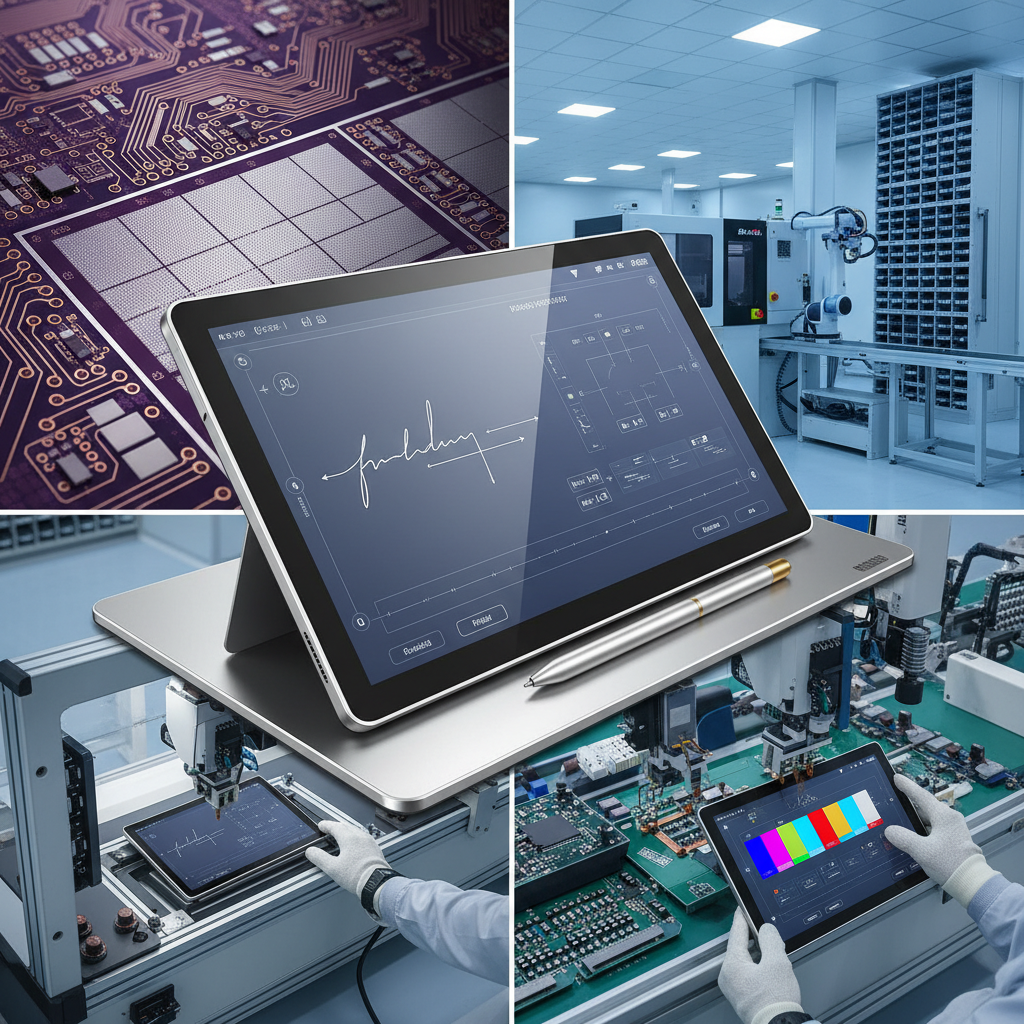
In real-world industrial contexts, writing tablets for adults are indispensable for on-site inspections and quality control. In massive manufacturing plants or remote oil rigs, engineers use these tablets to mark up blueprints or record anomalies without worrying about dust, moisture, or the logistical nightmare of carrying stacks of paper.
Beyond the industrial sector, these devices are widely used in healthcare for patient charting and in education for specialized tutoring. For instance, in post-disaster relief operations, NGOs utilize these tablets for quick census taking and resource mapping, providing a durable and fast way to collect data in chaotic environments.
Performance Comparison of Writing Tablets for Adults
Long-Term Value and Sustainability
The adoption of writing tablets for adults offers a profound ecological advantage. By replacing thousands of sheets of paper over a professional's career, these devices significantly reduce deforestation and the chemical pollution associated with ink and bleach production.
Beyond sustainability, there is a psychological value in the reliability of these tools. The lack of notifications and app-switching allows for "deep work," a state of flow that is increasingly rare in the digital age. This enhances the user's sense of professional dignity and mental clarity, proving that innovation does not always mean adding more features, but sometimes removing distractions.
Future Innovations in E-Ink Technology
The future of writing tablets for adults is leaning toward "color E-Ink" and flexible substrates. We are seeing the emergence of displays that can render a full spectrum of colors without the blue light emissions of traditional LEDs, making them ideal for artists who require a paper-like feel with professional color accuracy.
Integration with AI-driven OCR (Optical Character Recognition) is another major leap. Future tablets will not only store your handwriting as an image but will analyze the context of your notes in real-time, automatically organizing them into databases or syncing them with cloud-based project management software.
Furthermore, the move toward biodegradable electronic components is gaining traction. By using organic semiconductors and recyclable plastics, the next generation of writing devices will ensure that the pursuit of a paperless office does not contribute to the growing problem of global e-waste.
Overcoming Current Technical Limitations
Despite their benefits, some writing tablets for adults still struggle with screen ghosting—the faint remnants of previous strokes. Industry experts are solving this by implementing "full-screen refreshes" and improving the mobility of the ink capsules within the display panel.
Another challenge is the fragility of the screen when used in extreme industrial environments. To combat this, manufacturers are developing sapphire-glass overlays and ruggedized chassis that maintain a thin profile while providing military-grade impact resistance.
Finally, the gap between "analog feel" and "digital utility" is being closed through haptic feedback. By simulating the vibration of a pen on paper, these devices are becoming indistinguishable from traditional notebooks, removing the last barrier to total adoption for traditionalists.
Comparative Analysis of Writing Tablet Technology Specifications
| Technology Type |
Power Consumption |
Writing Latency |
Durability Score |
| LCD Pressure-Sensitive |
Ultra-Low |
Instant |
7/10 |
| Active E-Ink |
Low |
Moderate |
8/10 |
| EMR Stylus Panel |
Medium |
Low |
9/10 |
| Capacitive Hybrid |
High |
Ultra-Low |
6/10 |
| Paper-Like OLED |
High |
Instant |
5/10 |
| Industrial Rugged LCD |
Ultra-Low |
Instant |
10/10 |
FAQS
Unlike general tablets, writing tablets for adults are optimized for handwriting and sketching. They often use E-Ink or LCD screens that eliminate glare and blue light, provide a paper-like friction, and consume significantly less power, making them distraction-free tools rather than multimedia hubs.
Yes, absolutely. Many professional-grade writing tablets feature high pressure sensitivity and EMR technology, allowing for precise line work and sketching. Their durability makes them ideal for field use on construction sites or in industrial plants where paper would be easily damaged.
It depends on the technology. LCD-based tablets often use a single button battery that lasts for years, while E-Ink tablets may require a USB charge every few weeks. Regardless, they are far more energy-efficient than standard tablets, often lasting weeks or months on a single charge.
Most modern writing tablets for adults include cloud synchronization or USB export options. Higher-end models feature OCR (Optical Character Recognition) which can convert your handwriting into editable digital text for use in Word or Excel.
Industrial-grade models are designed with reinforced glass or polymer overlays that resist scratches and impacts. While consumer models are more delicate, ruggedized versions are specifically built to withstand the harsh conditions of manufacturing and field operations.
Yes, they are highly sustainable. By eliminating the need for disposable paper and ink, a single tablet can replace hundreds of notebooks over its lifetime, significantly reducing the user's carbon footprint and contributing to global reforestation efforts.
Conclusion
In summary, writing tablets for adults represent a sophisticated convergence of traditional cognitive habits and modern technological efficiency. By focusing on tactile feedback, extreme battery longevity, and a distraction-free interface, these devices solve the critical problem of digital fatigue while promoting an environmentally sustainable approach to productivity and creativity.
Looking forward, the integration of AI and advanced E-Ink materials will only further blur the line between the physical and digital page. For any professional seeking to reclaim their focus and streamline their documentation process, investing in a high-quality writing tablet is a strategic move toward a more organized and sustainable future. Visit our website for more information: www.zkslzc.com