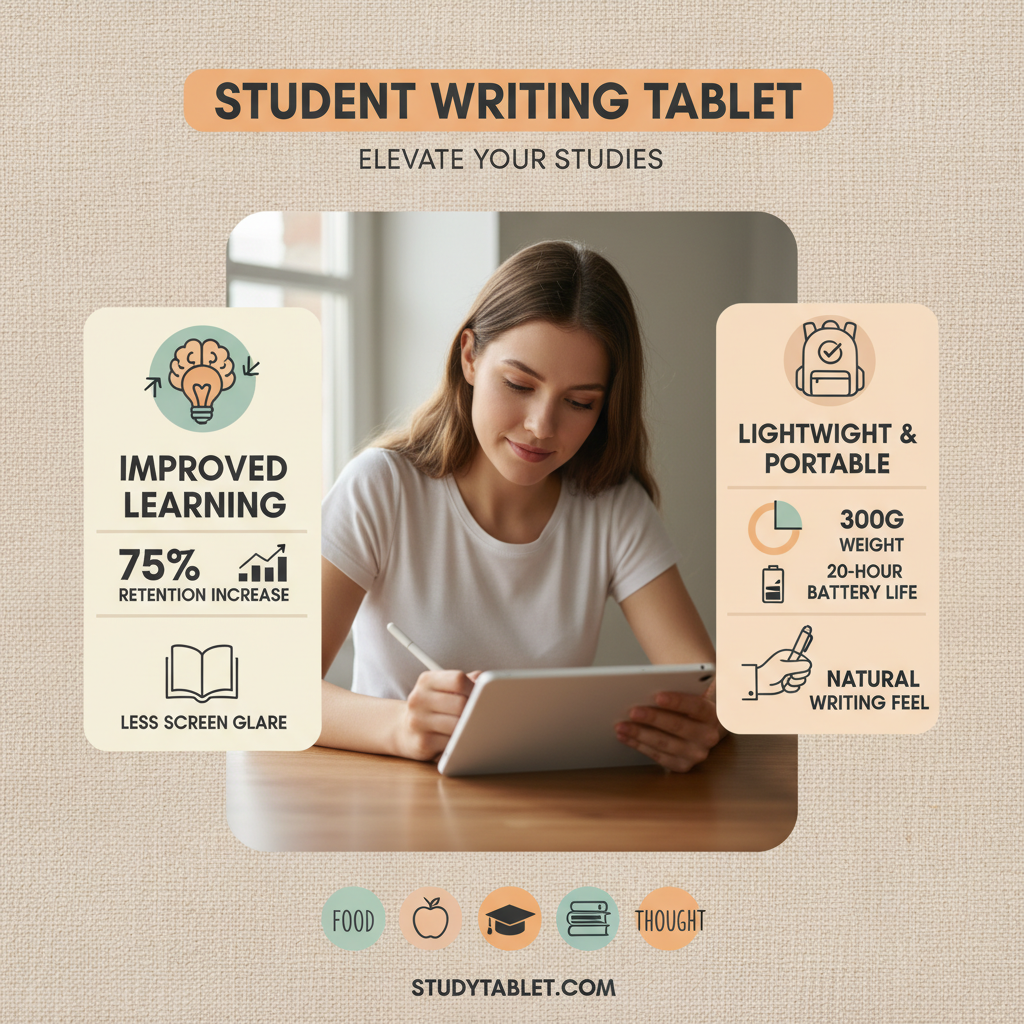
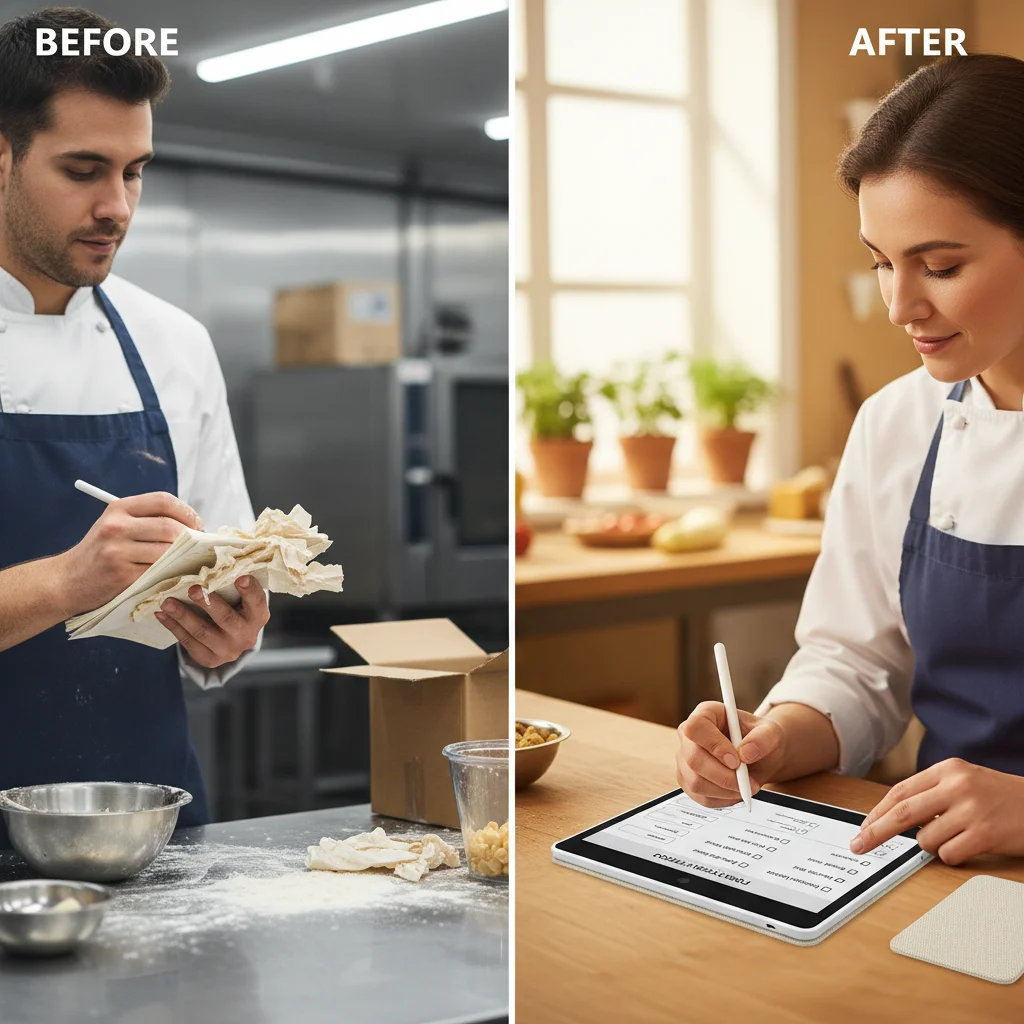
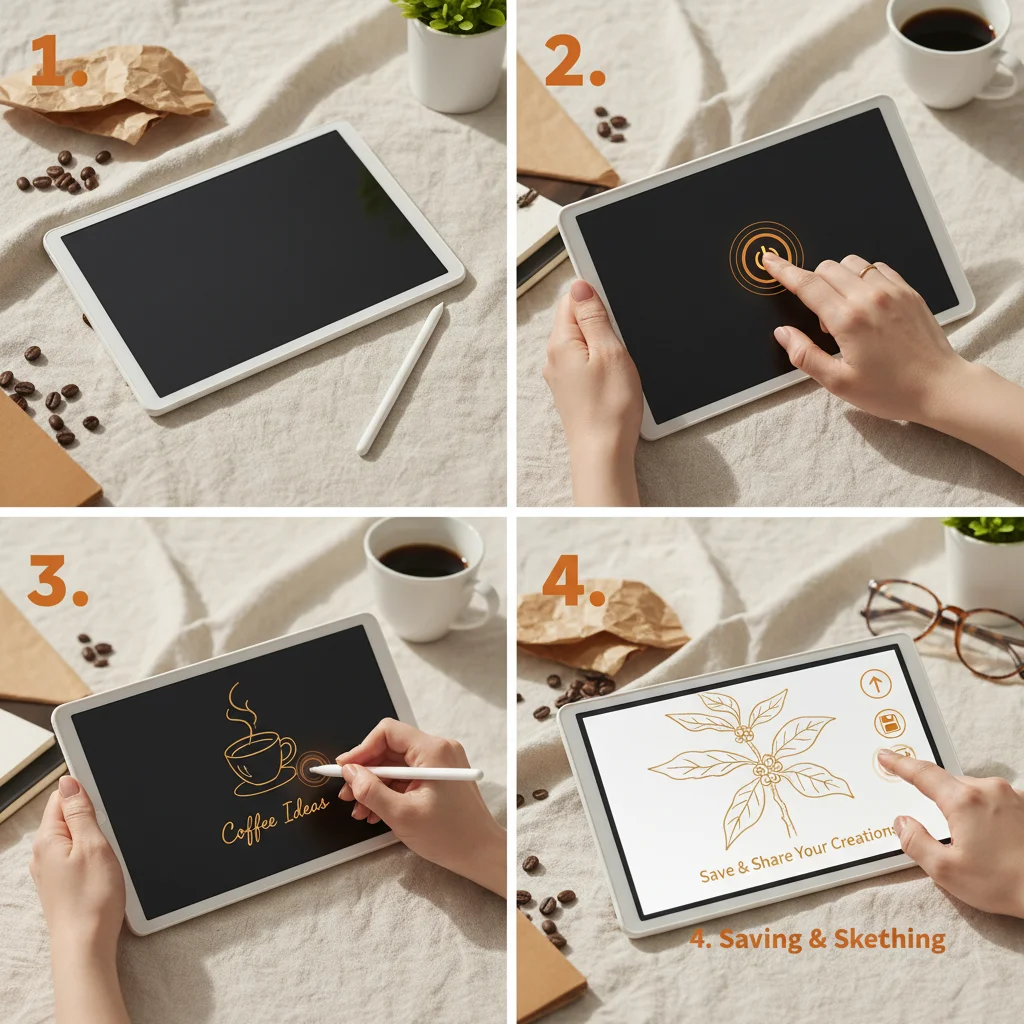
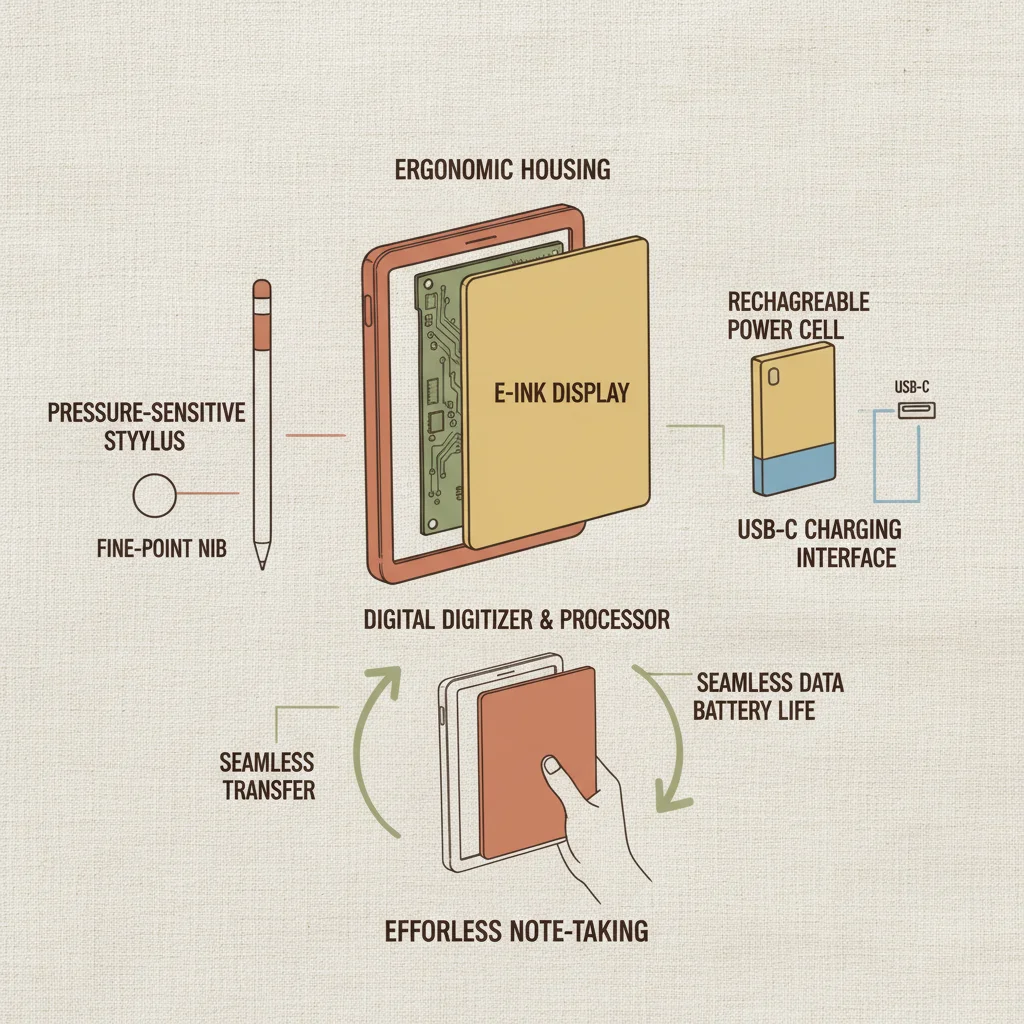
In the rapidly evolving landscape of modern education, the integration of digital tools has become a necessity rather than a luxury. The writing tablet for students represents a pivotal shift from traditional paper-based note-taking to a more sustainable, efficient, and flexible digital workflow. By bridging the gap between the tactile experience of handwriting and the convenience of digital storage, these devices are empowering learners to organize their thoughts more effectively.
Globally, the demand for accessible educational technology is surging as institutions strive to reduce the carbon footprint associated with massive paper consumption. The adoption of a writing tablet for students allows for seamless integration with cloud services, enabling students to synchronize their handwritten sketches and lecture notes across multiple devices instantly. This transition is not merely about hardware; it is about optimizing the cognitive process of learning through better information management.
Despite the prevalence of laptops and smartphones, the specific need for a dedicated handwriting interface remains critical for mathematics, engineering, and the arts. A specialized writing tablet for students solves the "digital friction" problem, where typing often slows down the brainstorming process. By providing a low-latency, pressure-sensitive surface, these tablets ensure that the natural flow of ideas is preserved while providing the scalability of the digital age.
Global Relevance and Educational Context
The global push toward digitalization in education is supported by data from organizations like UNESCO, which emphasizes the role of Information and Communication Technology (ICT) in achieving quality education for all. The writing tablet for students has emerged as a key tool in this transition, particularly in regions where traditional textbooks are costly or difficult to distribute. By digitizing the handwriting process, educational systems can deploy updated curricula instantaneously.
However, a significant challenge remains: the "digital divide." While developed nations integrate high-end tablets into every classroom, many developing regions struggle with infrastructure. The industry's response has been the development of cost-effective, low-power writing tablets that require minimal connectivity to function, ensuring that the benefits of digital ink are not restricted by economic barriers.
Defining the Modern Student Writing Tablet
At its core, a writing tablet for students is a specialized input device that captures handwriting or sketches and converts them into digital data. Unlike a general-purpose tablet PC, these devices often focus on the purity of the writing experience, utilizing Electromagnetic Resonance (EMR) or active electrostatic technology to mimic the friction and feel of pen on paper.
From an industrial perspective, these devices are the intersection of precision electronics and ergonomic design. They are designed to withstand the rigors of a student's daily life—being shoved into backpacks, used in crowded lecture halls, and operated for hours during intense study sessions. This makes them distinct from professional graphic tablets, which are often bulkier and more expensive.
Ultimately, the purpose of this technology is to support "active learning." By allowing students to annotate PDFs, solve complex equations, and draw diagrams without the limitations of a keyboard, the writing tablet for students fosters a more intuitive connection between the student's thoughts and their recorded work.
Core Components of Effective Learning Tablets
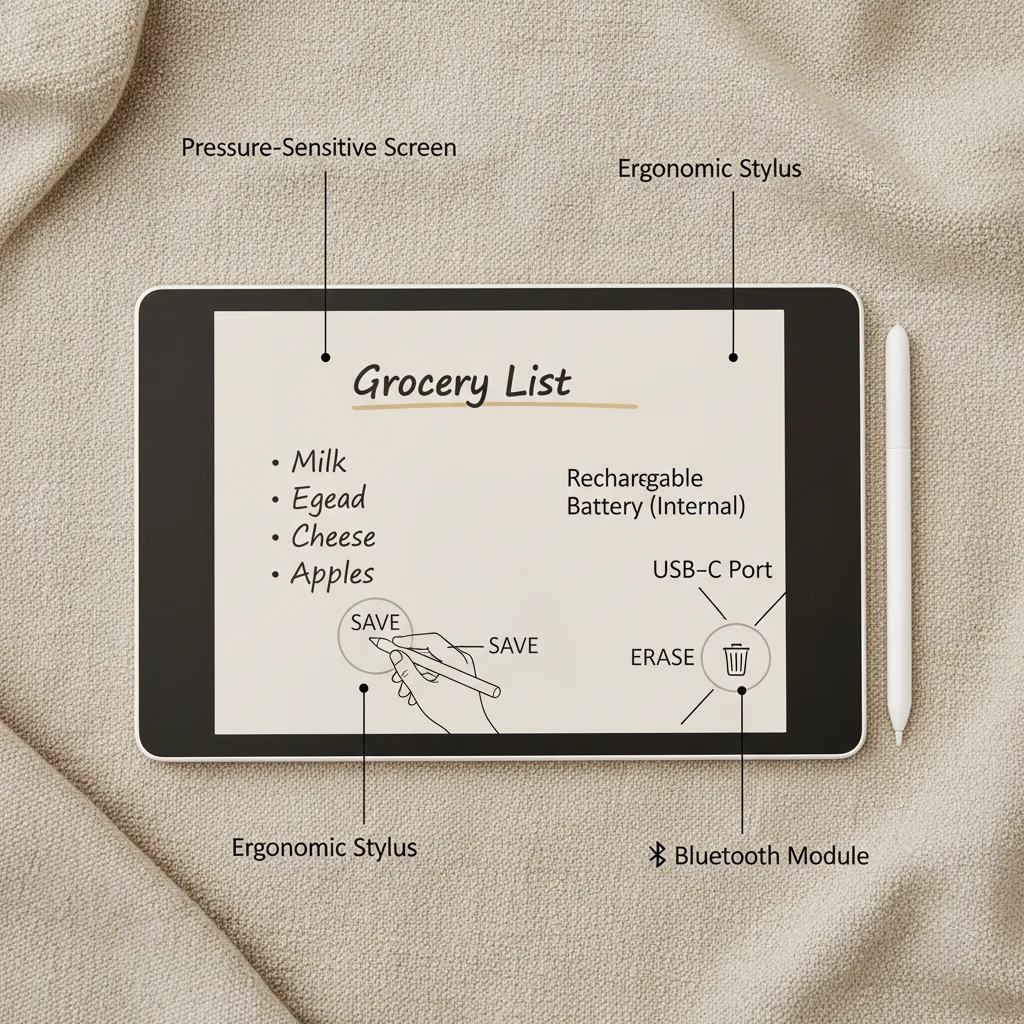
One of the most critical factors is Pressure Sensitivity. For a writing tablet for students to be effective, it must recognize varying levels of pressure to allow for natural calligraphy, highlighting, and sketching. This prevents the "robotic" look of digital lines and allows students to emphasize key points in their notes visually.
Durability and Build Quality are equally essential. Since these devices are used in high-traffic educational environments, the surface must be scratch-resistant and the chassis impact-resistant. A high-quality writing tablet for students often features reinforced edges and a matte finish to reduce glare from overhead classroom lights.
Finally, Connectivity and Ecosystem Integration determine the long-term utility. Whether through USB-C, Bluetooth, or Wi-Fi, the ability to sync notes with platforms like Google Classroom, OneNote, or Notion is what transforms a simple drawing pad into a powerful writing tablet for students that enhances academic productivity.
Practical Performance Metrics in Education
When evaluating the effectiveness of these devices, we look at specific metrics such as latency (the delay between the pen movement and the line appearing) and battery longevity. A low-latency writing tablet for students is crucial because any perceptible lag can disrupt the cognitive flow of writing, leading to frustration and decreased focus during fast-paced lectures.
Furthermore, the "Paper-Like" feel is a qualitative metric that heavily influences student adoption. Industrial designers work to optimize the coefficient of friction on the tablet surface to ensure it doesn't feel like "sliding on glass," which is a common complaint with standard tablets. This tactile feedback is essential for maintaining handwriting legibility.
Comparative Performance of Writing Tablet for Students Technologies
Global Applications and Use Cases
In remote learning environments, the writing tablet for students has become an indispensable tool for virtual tutoring. Teachers can now share a digital whiteboard in real-time, allowing students to solve problems on their tablets and have the results appear instantly on the instructor's screen. This interactive loop is vital for subjects like organic chemistry or calculus, where visual representation is key.
Beyond traditional classrooms, these devices are used in specialized vocational training. For instance, in medical schools, students use writing tablets to annotate anatomical diagrams during dissections or simulations. Similarly, in architecture schools, the writing tablet for students serves as a bridge between initial hand-sketched conceptualizations and final CAD (Computer-Aided Design) models.
Long-Term Value and Sustainable Impact
The economic argument for the writing tablet for students extends beyond the initial purchase price. Over a four-year degree, the cost of notebooks, pens, and printing is substantial. A single durable tablet replaces thousands of pages of paper, significantly reducing the overhead costs for the student and the environmental impact on the planet.
From a psychological perspective, these devices offer a sense of organization and security. The risk of losing a physical notebook is replaced by the reliability of cloud backups. This reduces student anxiety and allows them to focus more on the content of their studies rather than the logistics of managing physical archives.
Furthermore, the accessibility benefits are profound. For students with motor impairments, customizable software on a writing tablet for students can smooth out shaky lines or provide alternative input methods, ensuring that everyone has a dignified and effective way to express their academic knowledge.
Future Trends and Technical Innovations
The future of the writing tablet for students is leaning heavily toward AI-integrated handwriting recognition. We are moving toward a world where the tablet doesn't just store ink, but understands it—automatically tagging notes by subject, converting scribbles into formatted LaTeX equations, and suggesting references based on the keywords being written.
Sustainability is also driving material innovation. Future devices are expected to utilize biodegradable polymers and energy-harvesting screens that can charge via ambient indoor light, eliminating the need for traditional charging cables. This will make the writing tablet for students an even more eco-friendly alternative to paper.
Additionally, we anticipate the rise of foldable and rollable displays, allowing a student to carry a pocket-sized device that expands into a full-sized drafting table. This versatility will further merge the boundaries between a portable notebook and a professional workstation.
Comparison of Writing Tablet Technologies for Educational Use
| Technology Type |
Learning Curve |
Sustainability Score |
Academic Versatility |
| EMR Tablets |
Very Low |
High (No batteries) |
Excellent |
| LCD Writing Pads |
None |
Medium (Battery) |
Basic (Quick notes) |
| Active Stylus Tablets |
Low |
Medium (Rechargeable) |
Very High |
| Capacitive Pads |
Medium |
High |
Moderate |
| Paper-Feel E-Ink |
Low |
Very High |
High (Reading/Writing) |
| Hybrid Ink-Digital |
Medium |
Low (Uses ink) |
Unique (Dual format) |
FAQS
While laptops are superior for typing long essays, a writing tablet is significantly better for subjects involving formulas, diagrams, and brainstorming. It allows for a more natural cognitive flow and prevents the distractions common with full-computer operating systems, making it a specialized tool for active learning rather than a total replacement.
Depending on the technology, battery life varies wildly. EMR-based writing tablets often have pens that require no battery at all. Full-screen tablets typically last between 10 to 30 hours of active use, while basic LCD writing pads can last for months on a single coin-cell battery since they only use power to clear the screen.
This depends on the institution's policies. Many universities are now adopting digital examination software that integrates with writing tablets to allow for handwritten math and science answers. However, students should always check with their administration to ensure the device is approved for use in high-stakes testing environments.
Generally, they are very low-maintenance. The primary "consumable" is the pen nib, which may need replacing every few months depending on the surface friction and usage intensity. Because they replace the need for constant paper and ink purchases, they usually result in a net saving for the student over a full academic cycle.
Most modern writing tablets for students are designed specifically for the cloud. They typically sync via an app to services like Google Drive, Dropbox, or OneDrive. This ensures that notes are backed up automatically and can be accessed from a phone or computer during study sessions.
Yes, absolutely. Many tablets offer "line smoothing" and "text-to-handwriting" features that help students with dysgraphia organize their writing. The ability to easily erase, move, and resize text without leaving marks on the page reduces the stress and frustration often associated with traditional paper.
Conclusion
The adoption of a writing tablet for students is more than just a hardware upgrade; it is a strategic investment in academic efficiency and environmental sustainability. By combining the timeless act of handwriting with the limitless capabilities of digital storage and AI, these devices solve the fundamental conflict between tradition and technology in the classroom. From reducing paper waste to enhancing accessibility for diverse learners, the value proposition is clear.
As we look toward the future, the continued evolution of tactile surfaces and intelligent ink will further refine the educational experience. We recommend that educational institutions and parents prioritize devices that offer a balance of durability, low latency, and seamless cloud integration. To explore the best options for your academic needs, visit our website: www.zkslzc.com