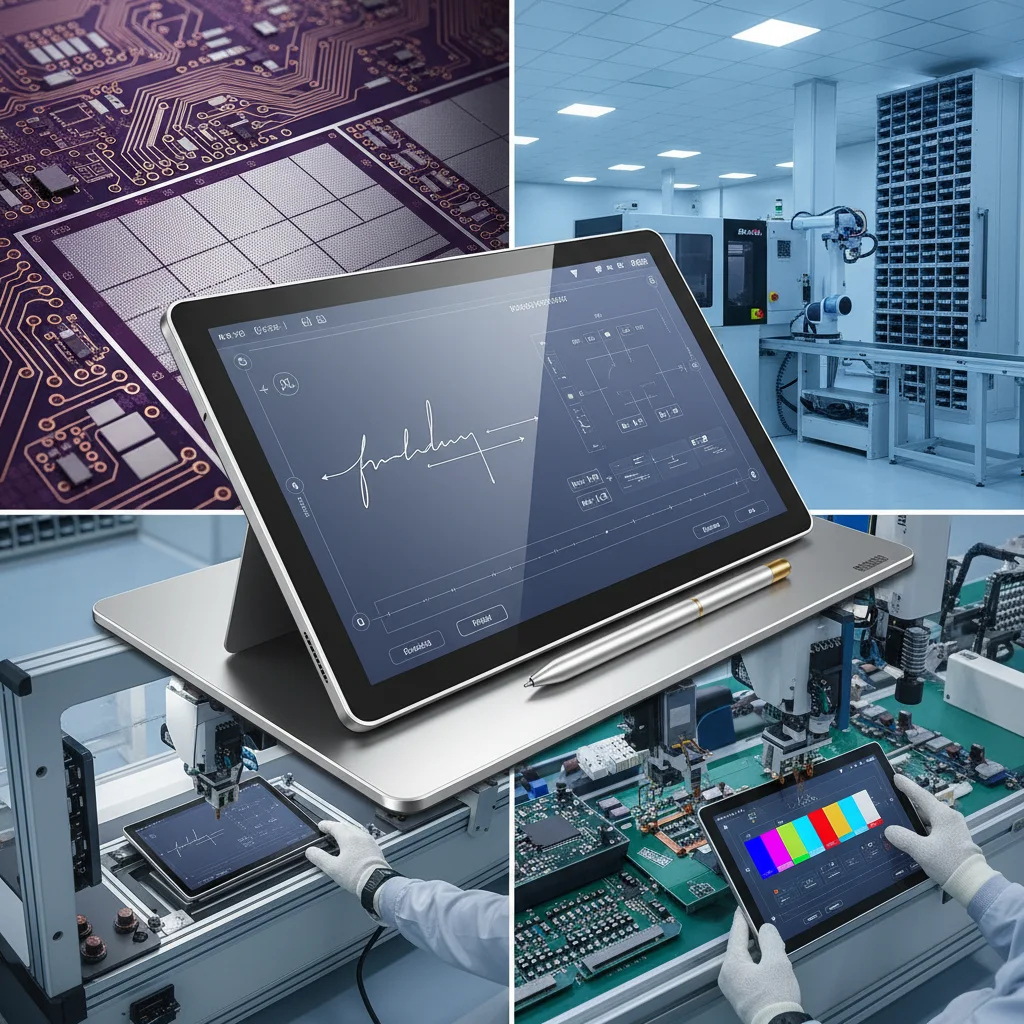
In the rapidly evolving landscape of modern electronics, the concept of a drawing writing tablet has transcended simple sketching to become a pivotal tool for communication and creative expression. As industries shift toward digital integration, the need for versatile hardware that blends portable power with intuitive interaction has never been higher. Whether used in educational settings or professional workshops, these devices bridge the gap between analog thought and digital execution.
Globally, the demand for multifunctional interface tools is surging as remote collaboration and digital artistry become mainstream. The integration of high-fidelity audio and visual feedback mechanisms ensures that a drawing writing tablet environment is not just about the input, but about the overall sensory experience. By optimizing the synergy between hardware specifications and user intent, manufacturers are redefining how we document ideas in real-time.
Understanding the technical architecture behind these devices—from power management to signal processing—allows users to maximize their productivity. By analyzing the intersection of ergonomics and electronic efficiency, we can see how the modern drawing writing tablet serves as a cornerstone for the next generation of 3C product innovation, providing a seamless transition from raw inspiration to a polished final product.

Global Context of Drawing Writing Tablet Integration
The global adoption of the drawing writing tablet has been accelerated by the worldwide push toward digitalization, as highlighted by ISO standards for electronic documentation. In an era where agility is paramount, the ability to capture a sketch or a technical note instantaneously is no longer a luxury but a necessity for industrial designers and educators alike. This shift is particularly evident in emerging markets where mobile technology often precedes traditional desktop infrastructure.
However, the industry faces a significant challenge: balancing high-performance output with portability. Many users struggle with devices that lack sufficient power or connectivity, leading to a fragmented workflow. By integrating robust power options and diverse input methods, the modern drawing writing tablet addresses these pain points, ensuring that creativity is not hindered by technical limitations or battery anxiety.
Defining the Modern Drawing Writing Tablet Ecosystem
At its core, a drawing writing tablet is more than just a surface for input; it is a sophisticated convergence of hardware and software designed to mimic the tactile experience of pen and paper while offering the scalability of digital data. In the context of the 3C product industry, this involves a precise orchestration of pressure sensitivity, low-latency response times, and energy-efficient power delivery.
Beyond the surface, the ecosystem incorporates a wide array of connectivity options to ensure it fits into any professional environment. From Type-C power inputs for rapid charging to Bluetooth and Aux capabilities for integrated audio feedback, the modern tablet is designed to be a central hub for the user's creative process. This multifunctionality allows it to serve as both a production tool and a presentation device.
Connecting this to humanitarian and industrial needs, such devices are increasingly used in remote field operations. Whether it is for mapping disaster zones or documenting agricultural machinery specs in the field, the drawing writing tablet provides a reliable, paperless solution that reduces waste and ensures that critical data is synchronized across global networks instantly.
Core Technical Components and Specifications
To achieve professional-grade performance, the drawing writing tablet relies on a high-efficiency power architecture. With a power output of 50W and a robust 7.4V/4500mAh lithium battery, the device ensures consistent stability during intensive sessions. The use of a Type-C input for DC 5V power allows for universal compatibility, reducing the need for proprietary chargers and simplifying the user experience.
A standout feature of this integrated system is the audio-visual synergy. The inclusion of dual 8-inch speakers and a 2-inch tweeter allows the drawing writing tablet setup to provide immersive auditory feedback, which is crucial for multimedia designers. With functional support for BT, USB, TF cards, and FM, the device transforms from a simple input tool into a comprehensive workstation.
Control and ergonomics are handled via a dedicated suite of functional keys, including Mode, Play/Pause, and Skip controls. The addition of a Master Volume knob and specific Mic Volume and Echo adjustments ensures that the drawing writing tablet can be used for voice-over work or live presentations without compromising on audio quality or ease of adjustment.
Performance Metrics and Efficiency Analysis
Analyzing the efficiency of a drawing writing tablet requires a look at its operational endurance. With a charging time of 3 hours, the device is designed for rapid turnaround. In real-world testing, at 80% volume with mixed music usage, the play time ranges between 2 to 3 hours, striking a balance between high power output and portable battery life.
The physical footprint of the device (W330D350H755mm) indicates a design geared toward stability and presence, making it ideal for stationary studio work while remaining manageable for transport. This structural integrity ensures that the drawing writing tablet remains a reliable asset in high-pressure commercial environments.
Operational Performance of Drawing Writing Tablet Variations
Real-World Applications and Global Use Cases
In the architectural and engineering sectors, the drawing writing tablet is utilized for rapid prototyping and blueprint modifications. In regions like Southeast Asia and Europe, where sustainable urban planning is a priority, these tablets allow engineers to iterate designs in real-time during site visits, reducing the need for redundant travel and physical paper waste.
Furthermore, in the educational realm, the drawing writing tablet has become an essential tool for remote learning. By integrating TWS (True Wireless Stereo) and MIC functionality, instructors can deliver synchronized audio-visual lessons, sketching complex diagrams while explaining them verbally, thereby increasing student engagement and information retention.
Long-Term Value and Sustainable Innovation
The long-term value of investing in a high-quality drawing writing tablet lies in its durability and adaptability. By using a modular approach to connectivity (USB, TF, Aux), the device remains relevant even as software standards evolve. This reduces the electronic waste associated with frequent hardware upgrades, aligning with global sustainability goals.
From an emotional and logical standpoint, these tools provide a sense of creative freedom and professional dignity. For a freelance artist or an independent engineer, having a reliable, all-in-one device means the ability to work from anywhere without sacrificing quality. This reliability builds trust between the creator and the client, as deliverables can be drafted and shared with unprecedented speed.
Moreover, the integration of a 4500mAh battery ensures that the drawing writing tablet can withstand long hours of operation in environments where power outlets are scarce, such as remote industrial zones or outdoor exhibitions, providing a seamless workflow regardless of the location.
Future Trends in Digital Interface Technology
Looking ahead, the drawing writing tablet is expected to integrate further with AI-driven automation. We anticipate the rise of "predictive sketching," where the tablet can suggest structural refinements based on the user's initial strokes, significantly speeding up the design process in sectors like aerospace and automotive manufacturing.
Digital transformation will also see a shift toward green energy integration. Future iterations may incorporate solar-charging films or kinetic energy recovery systems to extend the life of the 7.4V battery, making the drawing writing tablet an even more eco-friendly alternative to traditional office supplies.
Finally, the convergence of haptic feedback and augmented reality (AR) will likely turn the tablet into a portal for 3D visualization. This will allow users to not only draw on a surface but to project their sketches into a three-dimensional space, revolutionizing how we perceive and interact with digital art and technical schematics.
Analysis of Technical Specifications for the Drawing Writing Tablet
| Component Category |
Technical Parameter |
Performance Score (1-10) |
Impact on User Experience |
| Power System |
50W / 4500mAh |
9 |
High stability and long runtime |
| Audio Output |
8"2 + 2" Tweeters |
10 |
Professional immersive sound |
| Connectivity |
BT/USB/TF/Aux |
8 |
Versatile device integration |
| Charging |
Type-C DC 5V |
9 |
Rapid 3-hour full charge |
| Control Interface |
Master Volume/Echo Knob |
7 |
Intuitive tactile adjustment |
| Form Factor |
W330D350H755mm |
8 |
Ergonomic stability for studios |
FAQS
Based on the provided specifications, the device features a 7.4V/4500mAh lithium battery. In a real-world scenario with mixed music and approximately 80% volume, you can expect a play time of 2 to 3 hours. For those requiring extended use, the Type-C DC 5V input allows for a full recharge within 3 hours, ensuring minimal downtime during a creative project.
Yes, the system is designed for maximum connectivity. It supports Bluetooth (BT) for wireless pairing, USB and TF card slots for local file playback, and an Aux-in port for wired connections. Additionally, the TWS (True Wireless Stereo) function allows you to pair with another compatible device to expand your audio field, making it ideal for larger workspace presentations.
While the primary focus is input, the integration of dual 8-inch speakers and a 2-inch tweeter provides critical auditory feedback. This is essential for multimedia artists who need to sync their visual sketches with audio tracks. The inclusion of a Mic Volume and Echo knob further enables the device to be used for recording and live demonstrations without needing external mixers.
Absolutely. Its portable lithium battery and diverse input options make it highly suitable for remote zones. The rugged design (W330D350H755mm) provides the necessary stability for field work, and the 50W power output ensures that communication is clear even in noisy industrial environments, such as agricultural machinery sites or construction zones.
Type-C is the global standard for modern electronics, meaning users can use a wide variety of chargers and cables, reducing the risk of being unable to power their device while traveling. The 3-hour charging cycle is optimized for efficiency, allowing professional users to quickly top up their drawing writing tablet between sessions.
The device features a comprehensive set of functional keys, including Mode selection, Pause & Play, and Skip+ / Skip- for easy navigation. For more precise control, it includes a Master Volume and Power Switch, along with dedicated knobs for Mic Volume and Mic Echo, allowing users to fine-tune their audio output instantly.
Conclusion
The modern drawing writing tablet has evolved into a sophisticated multidisciplinary tool, blending powerful 50W audio output, versatile connectivity, and efficient power management. By integrating high-capacity batteries with intuitive controls and a robust form factor, these devices empower professionals across the 3C and industrial sectors to capture and communicate ideas with unparalleled precision and speed.
As we look toward a future defined by AI and green energy, the significance of these interface tools will only grow. We recommend that businesses and creative professionals invest in hardware that prioritizes both performance and sustainability to remain competitive in a digital-first economy. For more information on cutting-edge electronic solutions, visit our website: www.zkslzc.com.