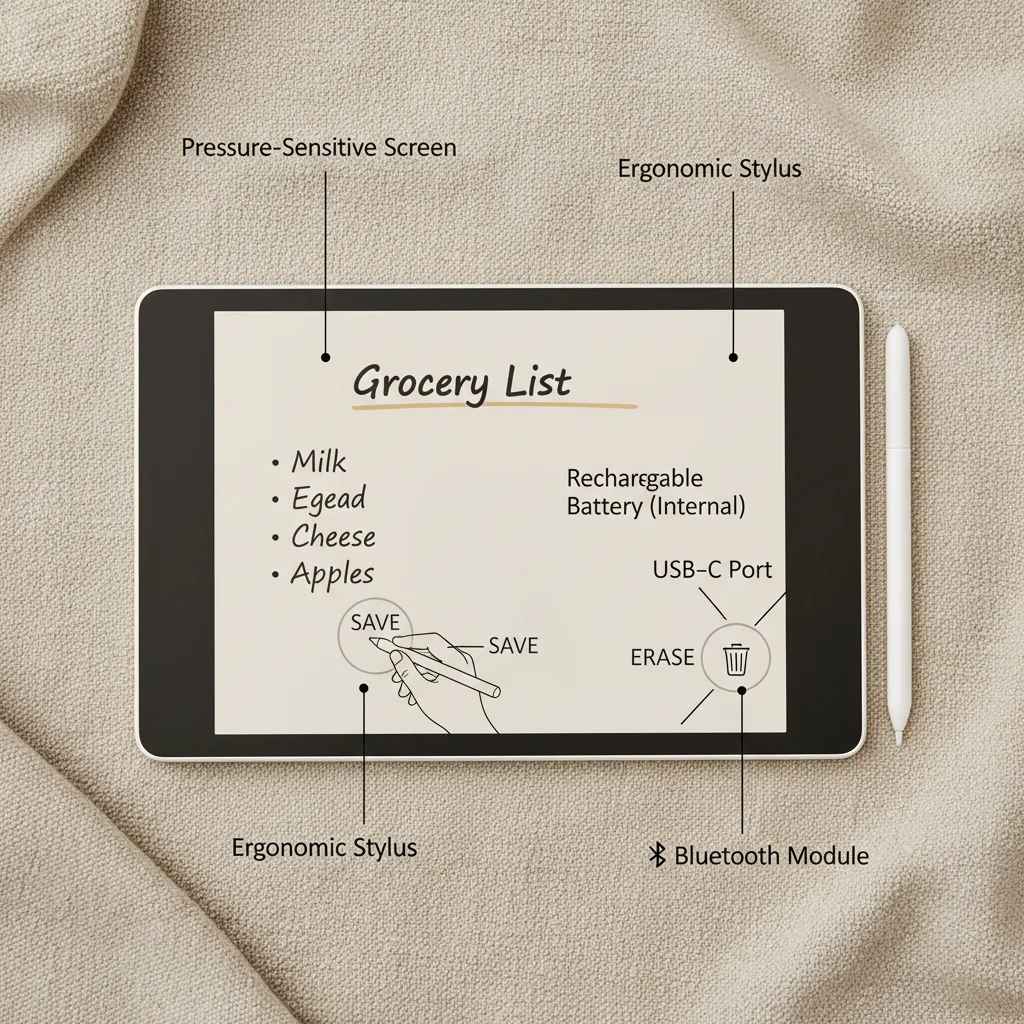
In the rapidly evolving landscape of digital communication, finding a good tablet for writing has become a priority for professionals and creators globally. The shift toward digitalization in the manufacturing and electronic sectors has highlighted the need for tools that bridge the gap between tactile creativity and digital efficiency. Understanding the intersection of hardware performance and user experience is essential for maximizing productivity in a high-tech environment.
Across various industries, from telecommunications to precision electronics, the demand for high-performance output devices has surged. While the concept of a good tablet for writing typically suggests a screen and stylus, the broader industry context reveals a need for integrated ecosystems where audio-visual feedback and durable hardware support the creative process. This evolution ensures that digital notations and technical drawings are preserved with absolute precision.
However, the challenge remains in identifying devices that offer not just functionality, but sustainable longevity and industrial-grade reliability. By examining the core components of modern writing interfaces—such as power efficiency, material durability, and connectivity—we can better appreciate how a good tablet for writing contributes to the global drive toward digital transformation and paperless workflows.

Global Context of Digital Writing Tools
The global adoption of digital interfaces has seen a significant uptick, with ISO standards now increasingly focusing on the ergonomics of human-machine interfaces. A good tablet for writing is no longer a luxury but a fundamental tool for engineers and designers who require instant synchronization of ideas. In the communication equipment manufacturing sector, this transition reduces waste and accelerates the prototyping phase.
Moreover, the integration of Bluetooth 6.0 and advanced power management allows these tools to operate in diverse environments, from sterile laboratories to noisy factory floors. The shift toward high-capacity batteries, such as the 9000mAh standard, ensures that the workflow remains uninterrupted, reflecting a global trend toward mobile productivity and sustainable electronic design.
Defining the Ideal Writing Tablet Standard
At its core, a good tablet for writing is defined by its ability to replicate the natural feel of pen-on-paper while offering the versatility of digital storage. This involves a sophisticated balance of pressure sensitivity, low latency, and a surface material that provides the right amount of friction, ensuring that technical annotations are precise and fluid.
From an industrial perspective, the "standard" extends beyond the screen. It encompasses the durability of the chassis—utilizing materials like ABS, silicon, and reinforced fabric—to withstand the rigors of professional use. A device that cannot survive a drop or a splash of water is not suitable for the demanding environments of the communication equipment industry.
Ultimately, the definition of a high-quality writing tool is linked to its ecosystem. Whether it supports high-fidelity audio codecs like FLAC and WAV for multi-modal work or features an IP67 rating for dust and water resistance, the ideal tablet is one that adapts to the user's environment rather than forcing the user to adapt to the tool.
Core Components for Enhanced Performance
The foundation of a good tablet for writing lies in its power delivery and stability. With a power output capable of reaching 140W RMS in integrated systems, the hardware can maintain high performance without thermal throttling, ensuring that the digitizer remains responsive even during intensive multitasking sessions.
Connectivity is another pillar of performance. The implementation of Bluetooth 6.0 ensures a stable, low-latency connection within a 10-meter range, which is critical for designers who use external peripherals. When paired with a TYPE-C DC 20.0V/1.5A input, the device achieves rapid charging, minimizing downtime in fast-paced production cycles.
Finally, the physical construction plays a vital role. The use of ABS and silicon provides a shock-absorbent frame, while the frequency range of 20HZ~20KHZ and an SNR of ≥80dB in accompanying audio modules allow for a complete sensory experience. This holistic approach is what distinguishes a mediocre device from a truly good tablet for writing.
Practical Applications in Modern Industry
In the field of communication equipment manufacturing, a good tablet for writing is used extensively for real-time circuit mapping and onsite quality audits. Engineers can annotate complex schematics directly on the device, ensuring that feedback is transmitted to the design team instantly, reducing the error rate in the assembly line.
Beyond the factory, these devices are invaluable in remote industrial zones and post-disaster relief operations. The IP67 rating allows technicians to document infrastructure damage or record site surveys in harsh weather conditions without fear of device failure, proving that ruggedness is a key feature of professional-grade writing tools.
Efficiency Metrics of Writing Tablets in Industry
Long-Term Value and Reliability
The long-term value of investing in a good tablet for writing is measured by the reduction in operational overhead. By replacing thousands of sheets of paper and fragmented filing systems, organizations can achieve a significant decrease in their carbon footprint while increasing the accessibility of their data.
Reliability is further bolstered by the choice of high-grade materials. A casing made of ABS and silicon doesn't just protect the internals; it extends the product lifecycle, reducing the frequency of hardware replacements. When a device can provide 10 hours of operation at 50% volume and withstand the elements, it becomes a trusted partner in a professional's daily routine.
Future Trends in Writing Technology
The future of the good tablet for writing is leaning toward total integration with AI-driven automation. We expect to see handwriting-to-CAD conversion in real-time, where a sketch on a tablet is automatically transformed into a 3D model, further compressing the timeline between conception and production in the electronics industry.
Sustainability will also drive innovation, with the move toward biodegradable chassis materials and solar-integrated charging surfaces. The goal is to maintain the 11.1V/9000mAh power capacity while reducing the environmental impact of battery production, aligning with global "Green Manufacturing" initiatives.
Additionally, the evolution of haptic feedback will make digital writing indistinguishable from physical media. By utilizing advanced actuators, future tablets will simulate the texture of different papers and the glide of various pen nibs, providing the sensory satisfaction and precision required for high-level artistic and technical work.
Overcoming Current Technical Challenges
Despite the progress, challenges such as battery degradation and screen glare in outdoor environments persist. To solve these, the industry is moving toward LTPO display technology and more stable chemical compositions for high-capacity batteries to ensure the 5-10 hour playback and usage window remains consistent over years of use.
Another limitation is the synchronization lag in complex file transfers. By leveraging the updated Bluetooth 6.0 protocols and optimizing audio-visual codecs like SBC and APE, developers are reducing the "handshake" time between devices, ensuring that a good tablet for writing can operate as part of a seamless multi-device network.
Finally, the balance between ruggedness and weight remains a struggle. The integration of carbon-fiber composites with the existing ABS and fabric designs is one innovative approach to maintain the IP67 protection level while reducing the overall bulk for better portability.
Comparative Analysis of Writing Tablet Technical Specifications
| Feature Dimension |
Standard Tablet |
Professional Tablet |
Industrial Grade |
| Build Material |
Plastic |
Aluminum |
ABS+Silicon+Fabric |
| Environmental Rating |
None |
IP54 |
IP67 |
| Battery Capacity |
4000mAh |
6000mAh |
9000mAh |
| Connectivity |
BT 4.2 |
BT 5.0 |
BT 6.0 |
| Power Delivery |
10W |
30W |
140W RMS |
| SNR Performance |
<70dB |
75dB |
≥80dB |
FAQS
In industrial settings, a good tablet for writing must combine high-precision input with extreme durability. Key features include an IP67 water and dust resistance rating, a ruggedized chassis made of ABS and silicon, and a high-capacity battery (like 9000mAh) to ensure the device lasts throughout a full shift without needing a recharge.
Bluetooth 6.0 significantly reduces latency between the stylus/peripheral and the tablet. This means that the digital ink appears almost instantaneously as you write, removing the "lag" that often plagues cheaper devices and providing a more natural, pen-like experience for the user.
While writing itself requires little power, integrated professional systems often include high-fidelity audio for multi-modal work. 140W RMS ensures that accompanying audio systems can deliver clear, powerful sound (SNR ≥80dB) without interfering with the tablet's processing stability, creating a comprehensive workstation environment.
Depending on the usage intensity, a high-capacity 9000mAh battery typically provides about 5 hours of continuous operation at maximum volume/brightness and up to 10 hours at a moderate 50% setting, making it suitable for long days in the field.
Yes, provided they have an IP67 rating. This means the device is completely dust-tight and can be submerged in water up to 1 meter for a short duration, making it a good tablet for writing in outdoor construction or disaster relief zones.
Professional-grade systems typically support a wide array of codecs to ensure compatibility, including MP3, WAV, APE, FLAC, WMA, and SBC. This allows engineers to listen to high-resolution technical briefings or audio logs while simultaneously documenting their findings on the tablet.
Conclusion
In summary, a good tablet for writing is defined by a synergy of high-performance hardware—such as Bluetooth 6.0 and 9000mAh batteries—and industrial-grade durability. By integrating IP67 protection and a robust ABS+Silicon build, these devices transition from simple consumer gadgets to essential industrial tools that drive efficiency in the communication equipment manufacturing sector and beyond.
Looking ahead, the integration of AI and sustainable materials will further enhance the value of digital writing tools. We recommend that professionals prioritize devices that offer a balance of power output, connectivity, and environmental resilience to ensure their workflow remains future-proof. To explore the best solutions for your industry, visit our website: www.zkslzc.com.