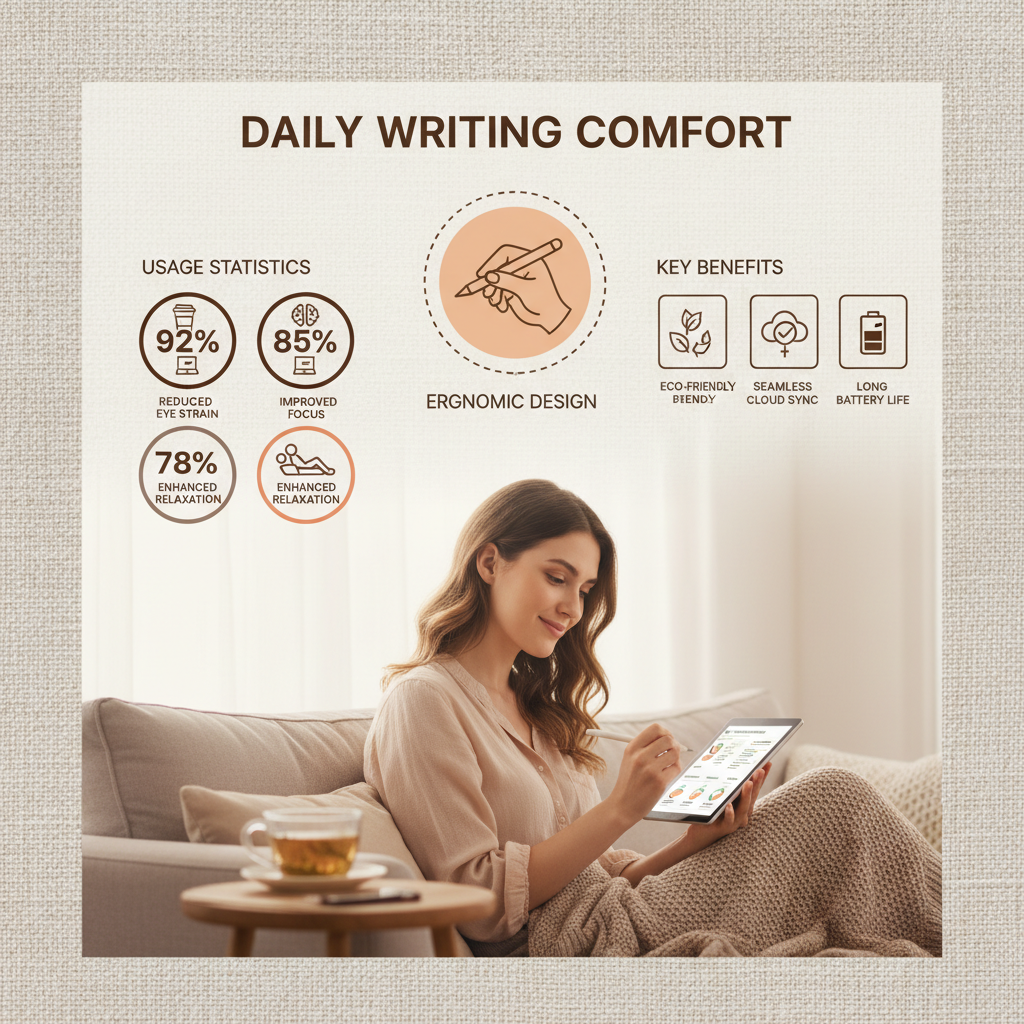
In the rapidly evolving landscape of digital communication, writing tablets have emerged as a pivotal bridge between traditional tactile handwriting and modern digital efficiency. By combining the instinctive nature of pen-and-paper with the versatility of electronic storage, these devices are transforming how we capture ideas, manage workflows, and facilitate education on a global scale.
The shift toward paperless environments is no longer just a trend but a strategic necessity for industries ranging from healthcare to architecture. The adoption of writing tablets allows for the seamless digitization of handwritten notes, reducing physical clutter and enhancing the searchability of critical information while maintaining the cognitive benefits associated with manual writing.
Understanding the technological underpinnings and commercial applications of these devices is essential for businesses looking to optimize productivity. From E-Ink displays to high-pressure sensitivity sensors, the evolution of writing tablets reflects a broader commitment to sustainable technology and human-centric design in the 3C electronics sector.
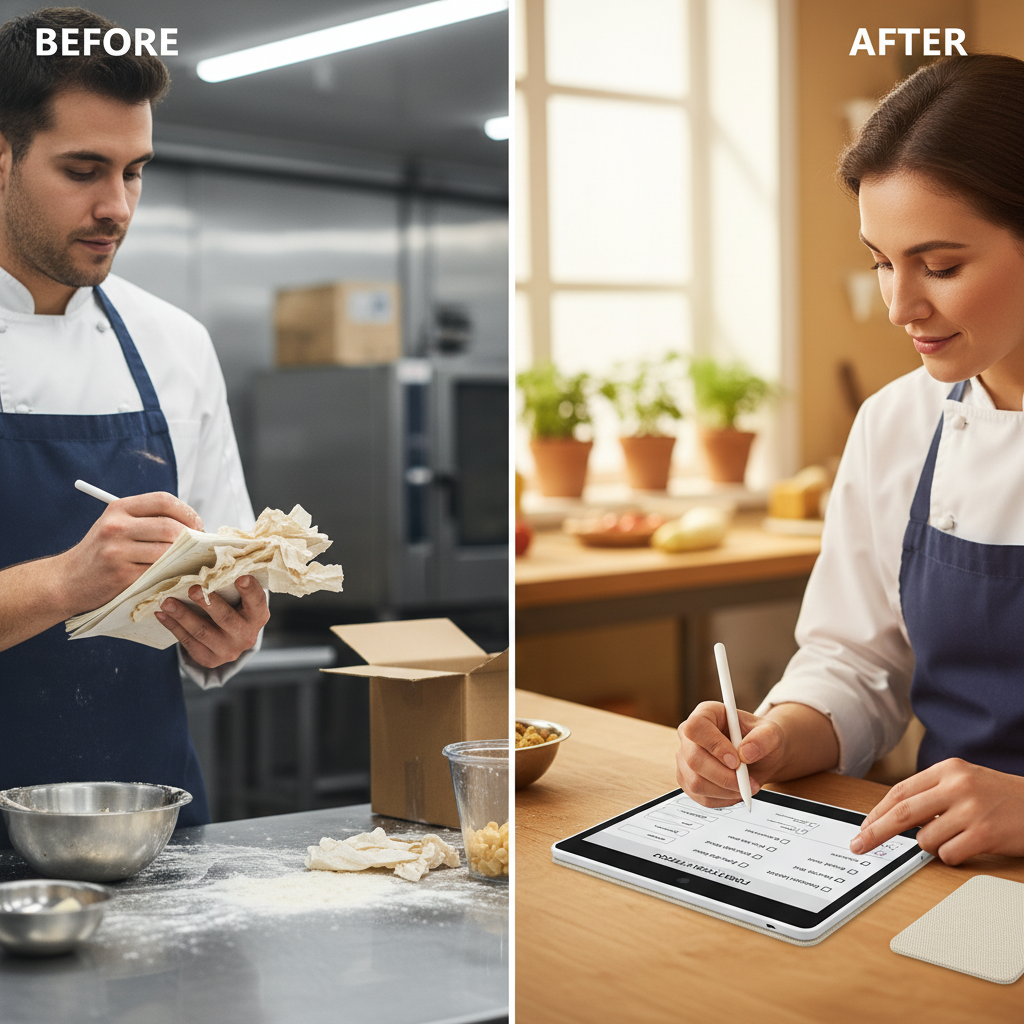
Global Relevance of Writing Tablets
On a global scale, the demand for writing tablets is driven by a systemic shift toward "Green Offices" and the digitization of academic records. According to industry trends aligned with ISO environmental standards, the reduction of paper waste in corporate environments has accelerated the adoption of digital handwriting solutions, which offer a more sustainable alternative to traditional stationery.
The challenge lies in the "digital gap"—the friction between the speed of thought and the speed of typing. Writing tablets address this by preserving the natural cognitive flow of handwriting, which is proven to improve memory retention and conceptual understanding, making them indispensable in both high-stakes boardroom environments and remote learning centers.
Defining Modern Writing Tablets
At its core, a writing tablet is an input device that enables users to hand-write or draw with a stylus, simulating the feel of a pen on paper while converting those physical movements into digital data. Unlike standard tablets that focus on general-purpose computing, these specialized devices prioritize low latency, pressure sensitivity, and surface friction to emulate a natural writing experience.
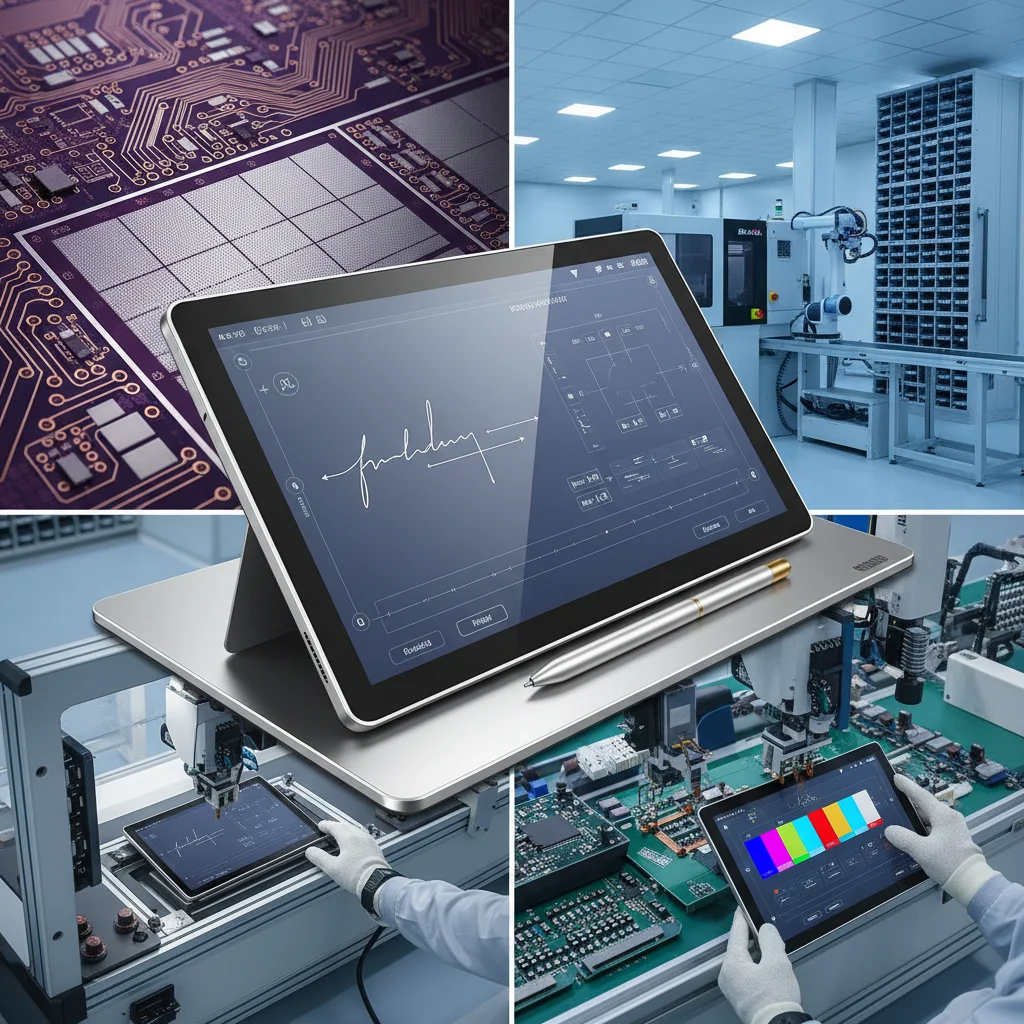
In the context of modern communication equipment manufacturing, these devices represent a fusion of electromagnetic resonance (EMR) technology and advanced display panels. They serve a critical humanitarian and industrial need by allowing field workers in remote zones to document data without the need for fragile paper logs that can be destroyed by moisture or wear.
Whether they are simple LCD sketching pads for children or high-end professional graphics tablets for architects, the primary goal of writing tablets is to remove the barriers between human creativity and digital storage, providing a tactile interface that feels intuitive and organic.
Core Technical Components
The effectiveness of writing tablets depends heavily on the precision of the digitizer. This component, located beneath the screen, detects the position and pressure of the stylus, ensuring that every stroke is captured with millimetric accuracy, which is vital for technical drafting and medical charting.
Pressure sensitivity is perhaps the most critical factor for professional users. High-end writing tablets often feature 8,192 levels of pressure sensitivity, allowing the user to vary line thickness and opacity based on how hard they press, mirroring the behavior of a real graphite pencil or ink pen.
Beyond the hardware, the integration of Optical Character Recognition (OCR) software transforms static handwriting into editable text. This scalability allows organizations to archive thousands of handwritten pages into searchable databases, drastically improving the cost-efficiency of data management.
Performance Metrics and Efficiency
When evaluating the performance of writing tablets, industry experts focus on "Input Lag" and "Parallax." Input lag refers to the delay between the stylus tip touching the surface and the line appearing on the screen; the lower the lag, the more natural the experience feels for the user.
Parallax occurs when there is a visible gap between the stylus tip and the actual digital ink on the screen. Modern laminated displays have virtually eliminated this issue, providing a "pen-on-glass" experience that is essential for precision work in the electronics and communication manufacturing sectors.
Writing Tablets Efficiency Comparison
Global Industrial Applications
In real-world contexts, writing tablets are being deployed across diverse sectors. In the medical field, clinicians use them to update patient charts instantly, ensuring that handwritten prescriptions are digitized immediately to prevent medication errors and improve patient safety.
In remote industrial zones, such as oil rigs or mining sites, ruggedized writing tablets allow engineers to sketch modifications to machinery on-site. These sketches are then synced via cloud communication systems to the main office, accelerating the design-to-production cycle and reducing the need for expensive travel.
Long-term Value and Sustainability
The tangible benefits of transitioning to writing tablets extend beyond simple convenience. From a sustainability perspective, the massive reduction in paper consumption helps companies meet their ESG (Environmental, Social, and Governance) goals, lowering the carbon footprint associated with paper production and waste disposal.
Logically, the long-term value is found in "Data Sovereignty." When notes are digital, they can be encrypted, backed up, and accessed from anywhere in the world. This reliability ensures that critical intellectual property is not lost to physical damage or misplacement, providing a sense of security and trust for corporate stakeholders.
Emotionally, these devices preserve the human element of communication. The act of handwriting is an expression of identity and creativity; by digitizing this process, we ensure that the dignity of personal expression is not lost in an era of sterile, keyboard-driven interfaces.
Future Trends in Digital Ink
The future of writing tablets is moving toward the integration of "Paper-like" haptic feedback. Emerging materials are being developed that can dynamically change their texture to simulate the feel of different surfaces, from rough charcoal paper to smooth vellum, enhancing the sensory experience of the user.
Furthermore, the convergence of AI and digital ink will allow writing tablets to perform real-time analysis of handwriting. Imagine a tablet that not only digitizes your notes but also suggests relevant citations, corrects technical formulas in real-time, or translates handwritten scripts into multiple languages instantaneously.
As green energy becomes the priority, we expect to see more writing tablets utilizing ambient light harvesting, eliminating the need for traditional batteries and making these devices truly autonomous and eco-friendly.
Comparative Analysis of Writing Tablet Technologies
| Technology Type |
Pressure Sensitivity |
Battery Life |
Industrial Fit |
| Passive LCD |
Low |
Years (Coin cell) |
Education/Kids |
| EMR (Electro-Magnetic) |
High (8k+) |
Battery-free Pen |
Graphic Design |
| Active Capacitive |
Medium |
Rechargeable |
General Business |
| E-Ink Paper |
High |
Weeks |
Reading/Writing |
| OLED Pen Display |
Ultra-High |
AC Powered |
Studio Art |
| Ruggedized Digital |
Medium |
High Capacity |
Field Engineering |
FAQS
Professional writing tablets are engineered specifically for precision. Unlike standard tablets that use capacitive screens designed for fingers, professional versions utilize EMR or active stylus technology to provide high pressure sensitivity and lower input lag. This allows for varied line weights and a natural "pen-on-paper" feel, which is essential for artists, architects, and medical professionals who require high fidelity in their digital handwriting.
Because E-Ink technology only consumes power when the image on the screen changes, battery life is significantly longer than traditional LCD or OLED screens. Depending on the usage patterns, many E-ink writing tablets can last from several weeks to several months on a single charge, making them ideal for long-term field use or academic semesters without constant charging.
Yes, significantly. By replacing thousands of sheets of paper and ink cartridges over the lifespan of a single device, writing tablets drastically reduce deforestation and chemical waste from ink production. When paired with rechargeable batteries and sustainable manufacturing processes, they represent a core component of the transition to a digital, paperless economy.
Most modern writing tablets utilize Optical Character Recognition (OCR) software. This technology analyzes the shapes of handwritten characters and converts them into standard digital fonts. This allows users to maintain the speed of handwriting while benefiting from the searchability and editability of a Word document or PDF.
Absolutely. There are specialized "ruggedized" writing tablets designed with IP-rated water and dust resistance, as well as reinforced casings to survive drops. These are widely used in communication equipment manufacturing and field engineering to ensure that data can be captured in environments where a standard laptop or tablet would fail.
For basic note-taking or sketching, 2,048 levels of pressure are usually sufficient. However, for professional digital art or technical drafting, 8,192 levels are recommended. Higher sensitivity allows for a more nuanced control over line thickness and shading, providing a professional-grade experience that closely mimics traditional art media.
Conclusion
In summary, writing tablets represent a sophisticated convergence of tactile tradition and digital innovation. By addressing the critical needs of precision, sustainability, and data efficiency, these devices have evolved from niche artistic tools into essential industrial assets. Whether through the implementation of EMR technology or the integration of AI-driven OCR, they empower users to capture information with speed and accuracy while drastically reducing the environmental impact of paper waste.
Looking ahead, the continued evolution of haptic feedback and energy-harvesting displays will further blur the line between the physical and digital page. For businesses and individuals alike, adopting these tools is not merely an upgrade in hardware, but a strategic shift toward a more fluid, sustainable, and organized way of thinking and creating. We invite you to explore the future of digital notation and enhance your productivity. Visit our website: www.zkslzc.com