



Market Insight
The Landscape of Electronics in Kenya
Analyzing the intersection of technology adoption and socio-economic needs in East Africa.
Kenya serves as a primary technological hub for East Africa, characterized by a rapidly growing youth population and a strong push toward digitalization in education. However, the market for communication equipment is often bifurcated between expensive high-end imports and low-quality generic goods. In the manufacturing sector for electronic devices, there is a significant demand for tools that can withstand local operational conditions, such as dust and humidity, while remaining affordable for the average school or small business operator in Nairobi, Mombasa, or rural counties.
Current trends indicate a shift toward "green electronics" and cost-reduction strategies. The adoption of LCD writing tablets is increasing as a response to the rising costs of paper and the global movement toward sustainable classrooms. Simultaneously, the demand for portable voice amplification is driven by the growth of the "informal economy" and open-air markets, where clear communication is essential for trade. Technology drivers include the proliferation of mobile payments and a growing preference for battery-operated, independent hardware that does not rely on a stable power grid.
The outlook for the Kenyan market is promising, provided that suppliers can bridge the gap between quality and price. The primary constraint remains the logistics and trust factor in international trade. By leveraging state-backed trade platforms, there is a unique opportunity to establish long-term partnerships that prioritize product longevity over short-term profit. Future growth will likely be seen in the integration of digital writing tools with basic e-learning frameworks, creating a more inclusive educational environment across the region.
Industry Path
Evolution of Communication Hardware
From traditional analog tools to energy-efficient digital interfaces.
Early Adoption
Analog Dominance
Communication relied heavily on traditional chalkboards and high-wattage wired amplifiers, which were costly to maintain and lacked portability for rural use.
Recent Development
Digital Transition
The introduction of low-cost LCD screens and rechargeable lithium batteries began replacing disposable stationery and heavy analog speakers.
Current Phase
Resilient Optimization
Current focus has shifted to waterproof materials and specialized industrial designs that ensure hardware longevity in diverse climatic conditions.
Sustainable Educational Tools
The transition from paper to LCD tablets is not merely a technological upgrade but an economic necessity. In many regions, the reduction in recurring paper costs allows schools to reallocate funds toward teacher training and facility improvement.
Ergonomic Voice Solutions
Modern voice amplifiers now focus on reducing the physical weight of the unit and improving the clarity of the output, preventing long-term vocal cord damage for professionals who spend hours speaking in loud environments.
Climate-Adapted Manufacturing
Industry standards are evolving to include "tropicalization"—the process of protecting electronic components from high humidity and dust, which is critical for the longevity of devices used in the African interior.
Future Outlook
Emerging Shifts in Electronic Trade
Identifying the next wave of hardware innovation for the Kenyan market.
Eco-Friendly Hardware Cycles
A move toward recyclable plastics and energy-harvesting batteries is becoming a priority to reduce electronic waste in urban centers like Nairobi.
Hybrid Education Toolsets
Increased integration between simple digital tablets and cloud-based learning, allowing students to synchronize their sketches with online portals.
Intelligent Voice Filtering
Development of AI-driven noise cancellation in portable amplifiers to ensure clarity in extremely loud outdoor market environments.
Direct-to-Consumer Trade
A rise in digital trade hubs that bypass traditional importers, utilizing state-backed logistics to deliver products directly to institutions.
The acceleration of these trends is closely linked to the "Silk Road Window Growth Flywheel" model, which focuses on transforming policy advantages into industrial growth. By reducing the friction of cross-border trade, we are seeing a faster adoption rate of specialized communication hardware. The key is the transition from selling a product to providing a solution that includes logistics, finance, and market insight, specifically tailored for the East African business ecosystem.
Furthermore, the integration of government resources from over 10 departments ensures that these technological imports align with national development goals. As Kenya continues to modernize its infrastructure, the demand for reliable, durable, and energy-efficient electronics will grow. The focus will remain on products that provide a high return on investment for the end-user, such as reducing recurring paper costs or enhancing the reach of an educator's voice in a large community.
Application
Real-World Deployment in Kenya
Practical examples of how our communication tools solve specific local problems.
01
Rural Primary Schools in Western Kenya
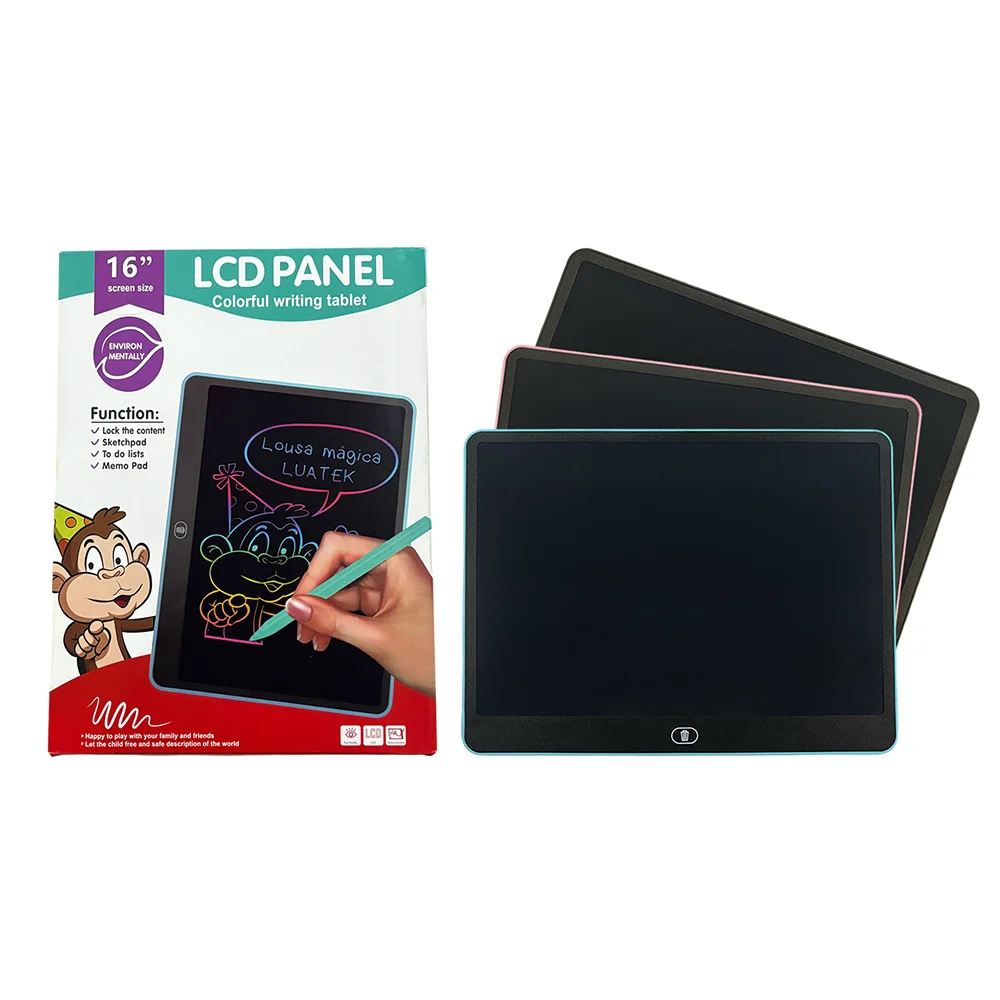
In classrooms with limited budgets for stationery, the introduction of the lcd doodle writing tablet allows students to practice writing and drawing without consuming paper. This drastically reduces the monthly school supply expenditure while providing a modern, interactive way for children to engage with lessons in a low-power environment.
02
Open-Air Market Traders in Nairobi
Vendors in crowded, noisy markets use the portable voice amplifier to attract customers and announce prices without straining their voices. The lightweight design allows them to move freely between stalls, while the clear audio projection ensures their messages are heard over the ambient city noise, directly impacting their daily sales volume.
03
Agricultural Extension Officers in Coastal Regions
Officers providing training to farmers in humid, coastal environments require equipment that won't fail due to moisture. The waterproof voice amplifier allows them to conduct outdoor workshops during the unpredictable rainy season, ensuring that critical agricultural advice reaches farmers without interruption from weather-related hardware failure.
04
Community Health Volunteers in Remote Villages
Volunteers conducting health awareness campaigns in areas with unstable electricity rely on the digital writing tablet with pen to illustrate health concepts and record data. Because these devices require minimal power and no ink, they are the perfect companion for long journeys into the interior where recharging options are scarce.
05
Corporate Trainers in Mombasa Business Hubs
Professional trainers conducting workshops in large conference rooms use high-precision digital tablets for real-time brainstorming and sketching. By integrating these tools into their workflow, they can quickly digitize ideas and present them clearly to participants, enhancing the professional quality of the training and improving knowledge retention for the attendees.
Evidence of Impact
Representative Use Case Perspectives
Illustrative scenarios showing how our products perform in the Kenyan operational context.
In our rural educational setup, the shift to LCD tablets has noticeably reduced our monthly stationery overhead. The devices are durable enough for children to use daily, and the lack of need for constant battery replacement makes them sustainable for our off-grid location.
Operating in the busy Nairobi markets requires a voice that can cut through the noise. The portable amplifier provides the necessary projection without the heavy weight of traditional systems, allowing for better mobility and less vocal strain during long trading hours.
For outdoor community training, the waterproof rating of the voice amplifier is the most critical feature. We no longer fear the sudden coastal rains, as the equipment remains operational, ensuring that our health and agricultural outreach programs continue without delay.
Corporate Identity
Zhongke Hongtong International
A state-owned bridge for industrial growth and global trade excellence.
April 2023
Official Establishment
Sichuan Zhongke Hongtong International Trade Co., Ltd. was established with a registered capital of RMB 400 million, serving as the core trading platform for the Sichuan Zhongke Jingyong Investment Development Group.
2023 - Present
Strategic Expansion
In active response to the Belt and Road Initiative, the company became the core operator of the Horgos "Window of the Silk Road" project, facilitating the export of electronic products to African markets.
Ongoing
Digital Ecosystem Integration
Developing the "Silk Road Window Growth Flywheel" model, integrating brand globalization, cross-border finance, and logistics to help SMEs reach global markets with state-owned reliability.

Wired Sound Bar RT68 60W Audio System China Factory Suppliers

Bluetooth Speakers A33(3K)
Professional Karaoke Speaker K29 China Factory Suppliers Wholesale

D-86 AM/FM/SW/LW 3 BAND RADIO
Common Queries
Frequently Asked Questions
Clear answers to help you make the right procurement decision for your organization.
What is the main advantage of LCD doodle tablets over traditional paper in classrooms?
The primary advantage is the elimination of recurring costs and waste. LCD tablets allow for infinite writing and erasing without the need for ink or paper. For schools in Kenya, this represents a significant long-term saving in stationery budgets. Additionally, they are lightweight and energy-efficient, making them ideal for students in areas with limited access to constant electricity.
How do waterproof voice amplifiers differ from standard portable models?
Waterproof models feature sealed housings and treated electronic components that prevent moisture ingress. While standard models may fail during a sudden rainstorm or in high-humidity coastal areas, waterproof units are designed for outdoor resilience. This ensures that the device remains operational during the rainy seasons common in Kenya, protecting the internal circuitry from corrosion and short-circuits.
Are these devices suitable for regions in Kenya with unstable power grids?
Yes, they are specifically designed for such environments. Our writing tablets use ultra-low power LCD technology that can last for months on a single button battery. Our voice amplifiers use high-capacity rechargeable lithium batteries. This combination ensures that the tools remain functional regardless of the stability of the local power grid, providing consistent utility for rural educators and traders.
How can a state-owned trade platform like Zhongke Hongtong ensure better product quality?
As a state-owned enterprise with 400 million RMB in registered capital, we operate with a high level of accountability and transparency. We integrate resources from over 10 government departments and maintain strict supply chain auditing. This allows us to source directly from verified manufacturers and bypass low-quality middlemen, ensuring that every unit delivered to Kenya meets international industrial standards for durability and performance.
What is the expected lifespan of the digital writing tablets in a heavy-use student environment?
Our digital tablets are built with reinforced screen materials to withstand the typical wear and tear of a classroom. While lifespan depends on usage, the LCD technology itself does not "wear out" like a pen or pencil. The main considerations are screen protection and battery replacement. By following basic care guidelines, these devices can serve as a sustainable alternative to paper for several academic years.
How do I begin a bulk procurement process for my institution in Kenya?
The first step is to define your requirements in terms of quantity and specific technical needs (e.g., waterproof vs. standard amplifiers). Once you contact us via our official channel, our professional international trade team will provide a tailored solution, including logistics and customs support. Leveraging our Horgos "Window of the Silk Road" infrastructure, we ensure a smooth transition from the Chinese factory to your Kenyan destination.
Global Trade Partnership
Ready to Modernize Your Communication Infrastructure in Kenya?
Whether you are managing a school network, a commercial enterprise, or a government project in Kenya, our state-backed supply chain ensures you receive durable, high-performance electronics without the risks of traditional importing. Let our experienced trade team handle the logistics while you focus on growth and education.
Discuss Your Requirements

