




Market Analysis
The Landscape of Educational Electronics in Cambodia
Analyzing the intersection of digital adoption and infrastructure needs in the Kingdom of Cambodia.
Cambodia's electronic manufacturing and trade sector is currently characterized by a rapid shift toward digital integration in urban centers like Phnom Penh and Siem Reap. However, a significant disparity exists between urban and rural infrastructure. The educational sector, in particular, is seeking cost-effective alternatives to traditional materials. The demand for basic digital tools is rising as the government pushes for modernized pedagogy, but the market remains saturated with low-quality imports that lack durability in the humid, tropical climate. This creates a critical need for professional-grade, state-backed electronics that can withstand local operational conditions.
Current trends indicate a move toward "portable productivity." There is an increasing preference for devices that do not require constant grid power, driving the growth of battery-operated voice amplifiers and energy-efficient writing tablets. Furthermore, the Belt and Road Initiative has streamlined the logistics between China and Southeast Asia, making it feasible to import specialized electronic components more rapidly. Consumer behavior is shifting from "lowest price" to "value and reliability," as local schools and businesses realize that cheaper, non-waterproof devices lead to higher long-term replacement costs.
The primary opportunity lies in the "digitization of the classroom." By introducing affordable tools like the writing tablet and voice amplification systems, providers can solve the immediate pain points of vocal fatigue and paper waste. The constraint remains the limited technical support in provincial areas, which our digital trade hub model addresses by integrating logistics and market insight. The outlook is positive, with a projected increase in the adoption of assistive communication technologies as Cambodia continues its economic ascent and industrial diversification.
Industry Evolution
From Analog Tools to Digital Ecosystems
The progression of communication and writing technology in the regional education market.
Early Adoption
Analog Dominance
Reliance on chalkboards and paper. Communication was limited to the natural volume of the speaker, leading to high vocal fatigue in large Cambodian classrooms.
Recent Development
Basic Electronics
Introduction of first-generation portable amplifiers and basic LCD screens. While helpful, these lacked environmental protection and had short battery lifespans.
Current Phase
Smart Integration
Shift toward waterproof, high-efficiency devices and state-backed supply chains that ensure consistency, quality, and long-term support across the region.
Sustainable Education Hardware
The shift from disposable paper to reusable LCD surfaces is not just a technological upgrade but an environmental mandate. Schools are increasingly evaluating the ROI of digital writing tools based on the reduction of recurring stationery costs.
Environmental Resilience Engineering
Hardware is being redesigned to combat "tropical failure." This involves using moisture-resistant resins and sealed components to ensure that voice amplifiers remain operational during the monsoon season.
Trade Hub Decentralization
The move away from fragmented importing toward integrated digital trade hubs allows for better quality control and faster customs clearance, reducing the "time-to-market" for critical educational tools.
Future Outlook
Emerging Directions in Communication Electronics
Key drivers shaping the next generation of audio and writing hardware.
Ultra-Low Power Consumption
Advancements in semiconductor efficiency are enabling devices to run longer on smaller batteries, critical for rural Cambodian settings with limited charging infrastructure.
Adaptive Audio Processing
Integration of AI-driven noise cancellation in voice amplifiers to filter out background noise in open-air classrooms, ensuring only the speaker's voice is amplified.
Seamless Cloud Syncing
Future digital writing tablets are evolving to sync offline sketches to the cloud once a connection is found, bridging the gap between offline creativity and online submission.
Eco-Material Integration
Moving toward biodegradable plastics for the chassis of amplifiers and tablets to reduce the electronic waste footprint in Southeast Asian ecosystems.
The convergence of these trends indicates a broader shift toward "Inclusive Technology." In Cambodia, this means creating hardware that doesn't just work in a laboratory, but functions reliably in a rural classroom during a thunderstorm. The demand for waterproof voice amplifier units is a primary example of this transition, where engineering is driven by local environmental constraints rather than just feature sets.
Furthermore, the role of the state-owned trade platform is becoming central. By integrating government resources and digital trade hubs, the transition to these new technologies is accelerated. We are seeing a movement away from fragmented, small-scale purchasing toward institutional-level upgrades, where entire school districts implement a unified set of digital writing and audio tools to ensure standardized educational quality.
Practical Applications
Real-World Deployment in the Cambodian Context
How our communication tools solve specific problems in various local environments.
01
Phnom Penh Primary School Classrooms
In densely populated urban schools, teachers often manage 40+ students in noisy environments. By using a portable voice amplifier, the educator can maintain a conversational tone while ensuring students in the back row hear clearly, drastically reducing vocal strain and improving student engagement during morning lessons.
02
Rural Education Centers in Battambang
Where electricity is intermittent, the lcd doodle writing tablet provides a zero-power alternative for teaching basic literacy. Teachers use these tablets for rapid spelling drills and drawing exercises, eliminating the need for expensive paper and pencils that are often difficult to procure in remote villages.
03
Outdoor Community Workshops during Rainy Season
Agricultural trainers conducting open-air sessions face the risk of equipment failure due to moisture. The deployment of a waterproof voice amplifier allows them to continue instructing farmers on new techniques even in humid or drizzling conditions, ensuring the message is delivered without hardware interruption.
04
Digital Art Studios in Siem Reap
Aspiring artists transition from traditional sketching to digital workflows. Using a digital writing tablet with pen, they can practice precision line work and draft concepts digitally. This reduces material costs and prepares them for professional digital design careers in the tourism and arts sector.
05
Governmental Public Health Campaigns
Health workers traveling to remote provinces use portable audio systems to announce vaccination schedules. The lightweight, high-decibel amplification ensures that critical health information reaches the entire village center without requiring a permanent power installation, facilitating efficient community outreach.
Implementation Insights
Representative Operator Perspectives
Illustrative scenarios reflecting the impact of our hardware in professional settings.
In a typical urban school setting, the transition to portable voice amplification has transformed classroom management. Educators no longer suffer from end-of-day vocal exhaustion, and student focus has increased because the audio is consistent regardless of the student's position in the room.
For rural literacy programs, the use of LCD writing tablets has significantly lowered the barrier to entry. The ability to erase and rewrite instantly allows students to experiment with letters and shapes without the fear of wasting precious paper supplies, making learning more fluid.
The reliability of waterproof hardware is essential for community outreach. Using amplification tools that can withstand the humidity of the monsoon season ensures that public health messages are delivered on schedule without the risk of circuitry failure common in cheaper devices.
About Us
Sichuan Zhongke Hongtong International Trade
A state-owned trade service platform driving industrial growth along the Silk Road.
April 2023
Company Establishment
Founded with a registered capital of RMB 400 million as a wholly-owned subsidiary of Sichuan Zhongke Jingyong Investment Development Group, serving as the core trading platform for the group.
2023 - Present
Silk Road Window Implementation
Established as a state-owned trade service platform responding to the Belt and Road Initiative. We operate the Horgos "Window of the Silk Road" project, facilitating Chinese industries in expanding westward.
Strategic Phase
Global Supply Chain Integration
Developed a stable supply chain integrating over 20 strategic partners and 10+ government departments to export electronic products and bulk commodities to global markets, including Africa and Southeast Asia.

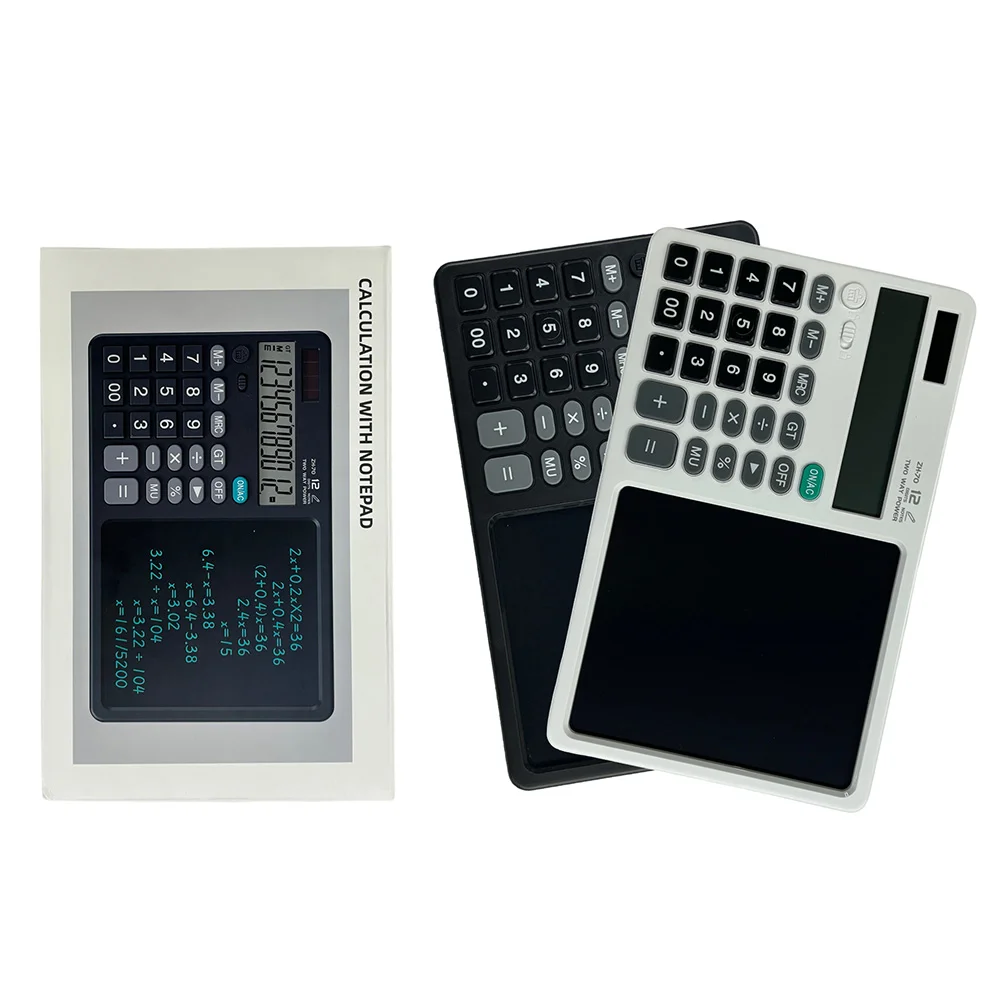
10 Inch Color LCD Writing Tablet China Factory Wholesale Suppliers
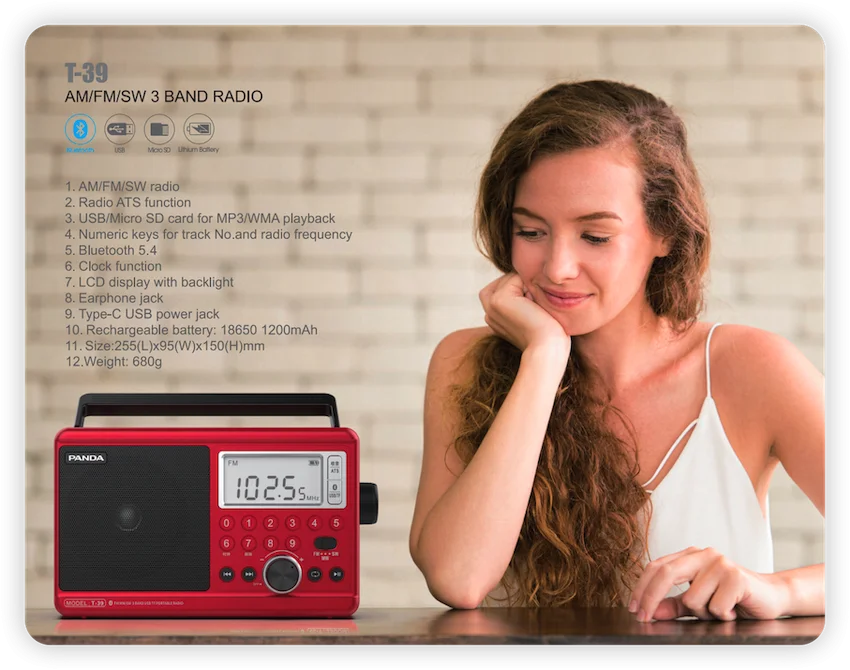
T-39 AM/FM/SW 3 BAND RADIO

D-86 AM/FM/SW/LW 3 BAND RADIO

Channel Sound Bar M81
Common Questions
Expert Guidance on Communication Hardware
Answers to technical and operational questions for Cambodian buyers and institutions.
What makes a waterproof voice amplifier necessary for the Cambodian environment?
Cambodia's tropical climate is characterized by extreme humidity and intense seasonal rainfall. Standard amplifiers often suffer from internal corrosion or short circuits when exposed to moisture. A waterproof voice amplifier uses specialized nano-coatings and sealed chassis designs to protect the sensitive amplifier circuits and microphones from humidity and accidental splashes, ensuring long-term reliability and reducing the cost of frequent hardware replacements in outdoor or semi-outdoor settings.
How do LCD doodle writing tablets reduce operational costs for schools?
These tablets eliminate the recurring need for paper and ink for drafting and early-stage learning. Because they utilize a pressure-sensitive liquid crystal surface that can be cleared with a single button, a single device can replace thousands of sheets of paper. For large institutions, this translates to a significant reduction in monthly stationery budgets and a decrease in waste management overhead, while providing students with a durable, reusable tool for interactive learning.
Can these portable audio systems operate in rural areas with limited electricity?
Yes, our portable voice amplifiers are specifically designed for mobility. They utilize high-density rechargeable lithium batteries and energy-efficient Class-D amplification circuitry, which maximizes audio output while minimizing power draw. This allows educators and health workers to operate the devices for several hours of continuous use on a single charge, making them ideal for environments where constant access to a power grid is unavailable or unstable.
What is the difference between a standard writing tablet and a digital writing tablet with pen?
While a basic LCD tablet is ideal for simple doodling and quick notes, a digital writing tablet with pen typically offers higher pressure sensitivity and better precision for artistic or technical work. The inclusion of a specialized stylus allows for varying line thickness and a more natural writing experience that mimics ink on paper. This makes it suitable not only for basic education but also for students of art and design who require a more professional tool for conceptual sketching.
How does the state-owned nature of your company benefit Cambodian importers?
As a state-owned trade service platform, we provide a level of financial stability and trust that private traders often cannot. Our registered capital of RMB 400 million ensures we can handle large-scale institutional orders without liquidity issues. Furthermore, our integration with government resources and the "Silk Road Window" model means we adhere to strict quality standards and transparent logistics, reducing the risk of counterfeit goods and ensuring that Cambodian clients receive genuine, high-performance electronics with verifiable provenance.
What are the first steps for a school or organization to source these products?
Organizations should begin by assessing their specific environment—whether they need waterproof capabilities for outdoor use or zero-power tablets for rural areas. Once requirements are defined, we recommend contacting our professional international trade team to discuss volume requirements and logistics. We provide tailored solutions that include not just the hardware, but also insight into the most efficient shipping channels to ensure the equipment arrives safely and cost-effectively at your destination in Cambodia.
Global Trade Partnership
Upgrade Your Communication Infrastructure in Cambodia
Whether you are an educational institution seeking to reduce paper waste or a commercial operator requiring resilient audio amplification, Sichuan Zhongke Hongtong International Trade provides the financial stability and technical expertise to scale your operations. Contact us today to discuss how our state-backed supply chain can deliver high-performance electronics to your specific location in Cambodia.
Discuss Your Requirements

