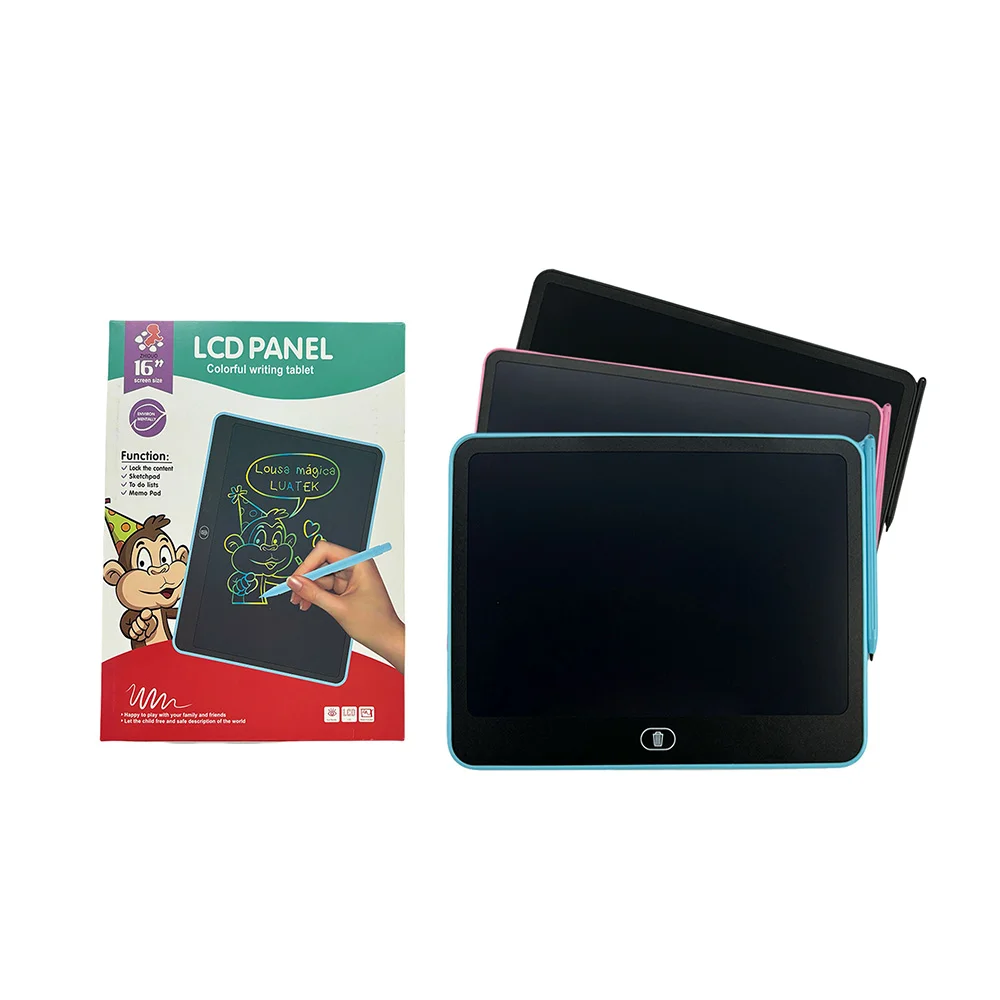


High-efficiency hardware designed for educational, commercial, and industrial environments across Zambia.


Analyzing the intersection of educational needs and audio communication requirements in the local market.
Zambia is currently experiencing a significant shift towards digital literacy and expanded educational infrastructure. In many regions, there is a growing demand for sustainable, low-energy tools that can facilitate learning without relying on constant high-voltage power sources. This has created a specific market opportunity for the lcd doodle writing tablet, which offers a paperless alternative for classrooms and early childhood education centers.
Simultaneously, the commercial and public sectors in urban hubs like Lusaka and the Copperbelt require reliable audio solutions for outdoor events and large-scale communication. The need for durability is paramount, making the waterproof voice amplifier particularly relevant for those operating in humid or unpredictable environmental conditions common to the region.
For procurement officers in Zambia, the priority has shifted from simply acquiring the lowest cost to ensuring long-term supply chain stability and hardware reliability. By integrating professional grade tools like a digital writing tablet with pen, local institutions can reduce operational overhead while improving the delivery of technical training and administrative efficiency.
Tracing the adoption of portable digital tools in the Southern African trade corridor.
Dependence on traditional stationery and high-power stationary PA systems for communication.
Introduction of portable voice amplifier units to increase mobility for teachers and guides.
Integration of specialized devices like the writing tablet for sustainable, digital-first workflows.
Shift toward battery-optimized devices to counter inconsistent power grids, favoring LCD-based technology over high-power screens.
Increased demand for moisture-resistant and dust-proof ratings to ensure hardware longevity in diverse Zambian terrains.
Moving away from fragmented middle-men toward state-backed trading platforms to ensure genuine product quality and warranty.
Identifying the key pillars of technical growth in the region.
Reducing paper waste in schools through the mass adoption of digital doodle pads.
Enhancing public communication through lightweight and loud voice amplification systems.
Bridging the gap with intuitive writing tablets that introduce students to digital input.
Establishing long-term partnerships with state-owned trading entities for reliable delivery.
The future of electronic device adoption in Zambia will likely be driven by "purpose-built" hardware. Rather than generic electronics, there is a movement toward devices that solve specific local challenges, such as the need for amplifiers that withstand dust or tablets that operate for months on a single coin battery.
Decision-makers are encouraged to evaluate total cost of ownership (TCO) rather than initial purchase price. Investing in high-durability specifications today prevents frequent replacement cycles, which is critical given the logistics of importing specialized electronics into the region.
How our communication tools solve real-world operational challenges.
In schools with limited paper supplies, the lcd doodle writing tablet allows students to practice writing and mathematics repeatedly without needing new stationery, significantly lowering the cost per pupil.
Extension officers training farmers in open-air environments use a portable voice amplifier to ensure instructions are heard clearly over wind and machinery noise without straining their voices.
Guides in Zambia's national parks utilize the waterproof voice amplifier to provide commentary during safari tours, ensuring the device remains functional despite sudden rain or humidity.
Project managers in the Copperbelt construction sector use a digital writing tablet with pen for rapid sketching and conceptualizing site layouts during meetings, enabling fast digital sharing of ideas.
Medical workers conducting workshops in remote villages use a combination of portable amplifiers for speaking and doodle tablets for illustrating hygiene concepts to non-literate audiences, improving health communication outcomes.
A state-owned bridge for global industrial growth.
Founded with a registered capital of RMB 400 million, Hongtong International was established as a wholly-owned subsidiary of Sichuan Zhongke Jingyong Investment Development Group to serve as a core trading platform.
Aligned with the national "Belt and Road Initiative," the company developed the "Silk Road Window Growth Flywheel" model, utilizing the Horgos Port to connect Chinese industries with Western and African markets.
Expanded exports of electronic products to African markets while integrating government resources from over 10 departments to provide one-stop international trade services and digital trade hub capabilities.
Explore our comprehensive range of communication tools optimized for the Zambian business environment.
Technical and procurement guidance for Zambian buyers.
Leverage our state-owned trade expertise to secure high-quality communication and education tools. Contact us today to discuss your specific requirements for Africa - Zambia.
Discuss Your Requirements


