The evolution of digital notation has culminated in the rise of the writing tablet, a device that bridges the gap between traditional pen-and-paper tactile experiences and the efficiency of modern computing. In an era where rapid digitalization is mandatory across all sectors, these devices offer a sustainable, streamlined way to capture ideas without the distractions of a full-featured computer.
Globally, the shift toward paperless environments is not merely a trend but a necessity driven by environmental concerns and the need for instant data accessibility. Whether used in corporate boardrooms for brainstorming or in classrooms for interactive learning, the writing tablet provides a low-latency, intuitive interface that mirrors natural human cognitive patterns.
Understanding the technical nuances and application diversity of these tools is essential for organizations looking to optimize their workflow. By integrating these devices into their daily operations, users can achieve a harmonious balance between the creativity of handwriting and the organization of digital storage, ultimately enhancing productivity and reducing ecological footprints.
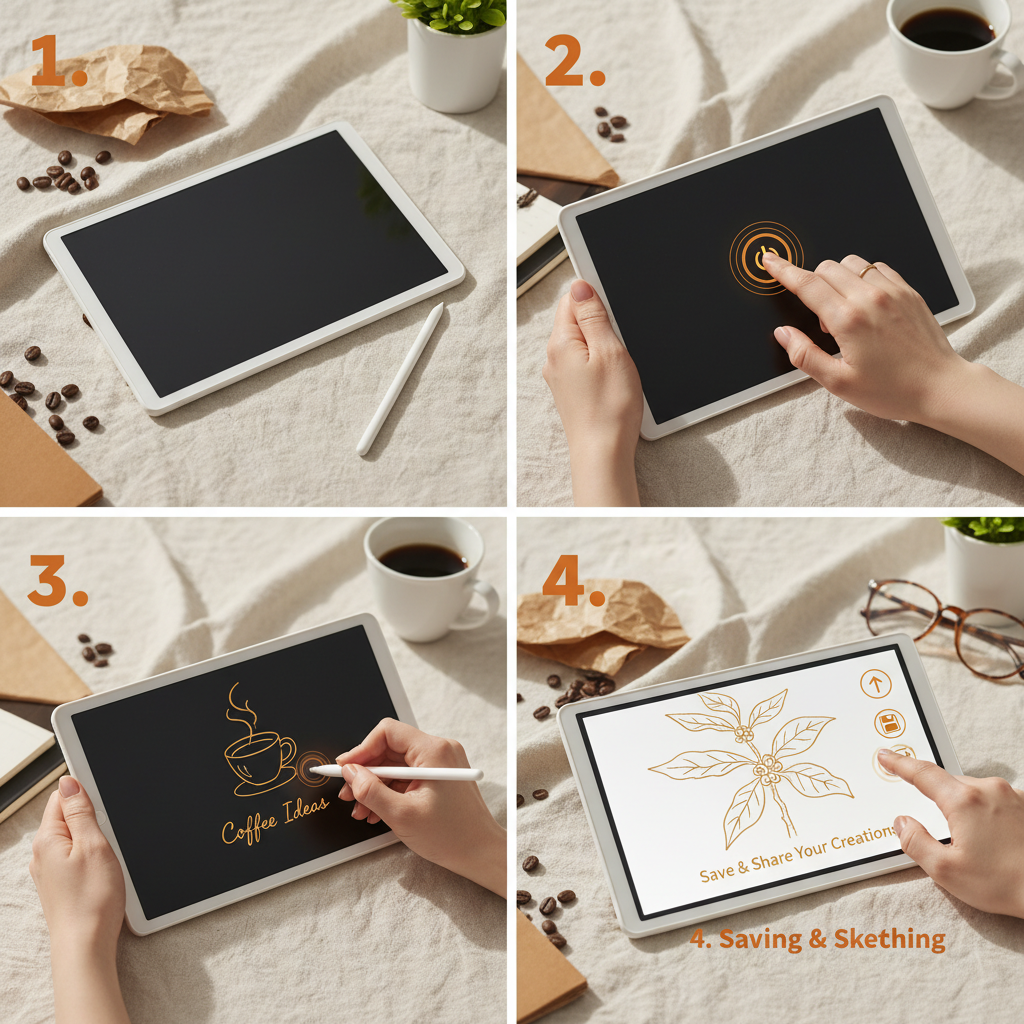
Global Industry Context of Writing Tablets
The global electronics manufacturing sector has seen a significant pivot toward specialized input devices. According to recent industrial trends in the 3C electronics market, there is a growing demand for "distraction-free" hardware. The writing tablet has emerged as a critical tool in this movement, addressing the psychological fatigue caused by traditional backlit screens and the waste generated by disposable paper.
As ISO standards for electronic waste and energy efficiency tighten, manufacturers are focusing on E-Ink technology and pressure-sensitive digitizers. This shift is particularly evident in the Asia-Pacific and European markets, where the integration of digital ink into professional workflows is helping companies reduce their carbon footprints while maintaining the tactile nature of handwritten documentation.
Defining the Modern Writing Tablet
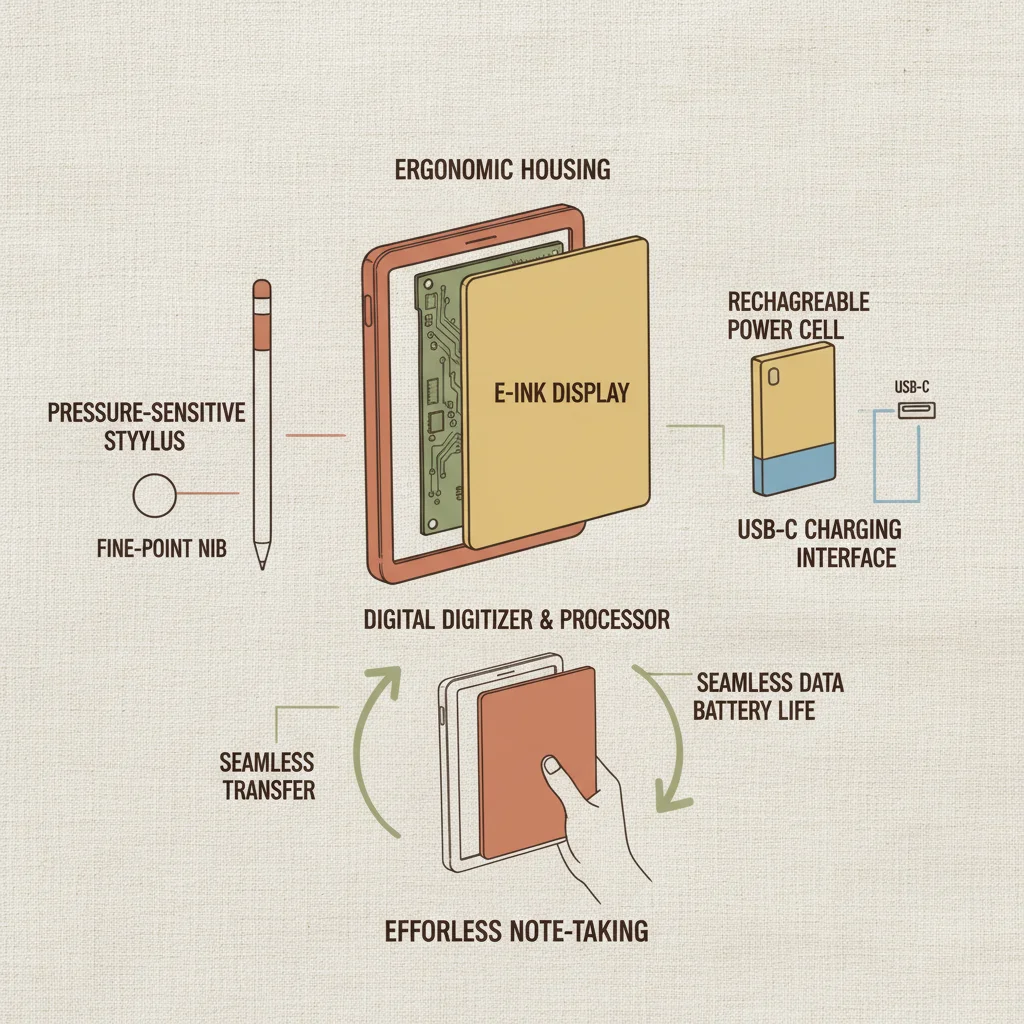
In simple terms, a writing tablet is a digital device designed specifically to emulate the experience of writing with a pen on paper. Unlike general-purpose tablets that prioritize app ecosystems and media consumption, these devices focus on the precision of the stroke, the friction of the surface, and the longevity of the battery, often utilizing electrophoretic displays (E-Ink) to eliminate eye strain.
From an industrial perspective, these devices are more than just peripherals; they are essential tools for humanitarian and professional needs. In field research, medical charting, or remote industrial inspections, they provide a durable, lightweight alternative to bulky laptops or fragile notebooks, allowing for rapid data entry in environments where traditional power sources are scarce.
The connection to modern industry lies in the convergence of communication equipment and human-computer interaction (HCI). By refining the way we input analog information into digital systems, the writing tablet serves as the primary gateway for converting unstructured handwritten thought into structured, searchable digital data.
Core Technical Components and Factors
The primary driver of a high-quality writing tablet is its pressure sensitivity. Modern devices utilize electromagnetic resonance (EMR) or active electrostatic technology to detect thousands of levels of pressure, allowing the user to vary line thickness naturally. This mimics the behavior of a real fountain pen or pencil, which is crucial for architects and designers.
Another critical factor is the display latency and surface friction. A professional-grade writing tablet must minimize the "gap" between the pen tip and the digital ink. By optimizing the screen's texture—often using a matte, etched glass or polymer coating—manufacturers can prevent the "slippery" feeling associated with standard tablets, ensuring a natural writing flow.
Finally, power efficiency and scalability define the long-term viability of the device. Since many are designed for long-term note-taking, the use of ultra-low-power chipsets and E-Ink screens allows these devices to last for weeks on a single charge. This scalability ensures that a writing tablet can be deployed in large-scale educational programs or industrial sites without requiring constant charging infrastructure.
Practical Performance Benchmarks
When evaluating the effectiveness of different writing tablet technologies, it is important to look at empirical data regarding user experience and technical output. Different screen types and stylus technologies yield varying results in terms of accuracy, comfort, and energy consumption.
The following analysis compares various implementation methods used in current industry standards, highlighting how specific design choices impact the overall utility of the device for the end-user.
Performance Comparison of Writing Tablet Technologies
Global Applications and Use Cases
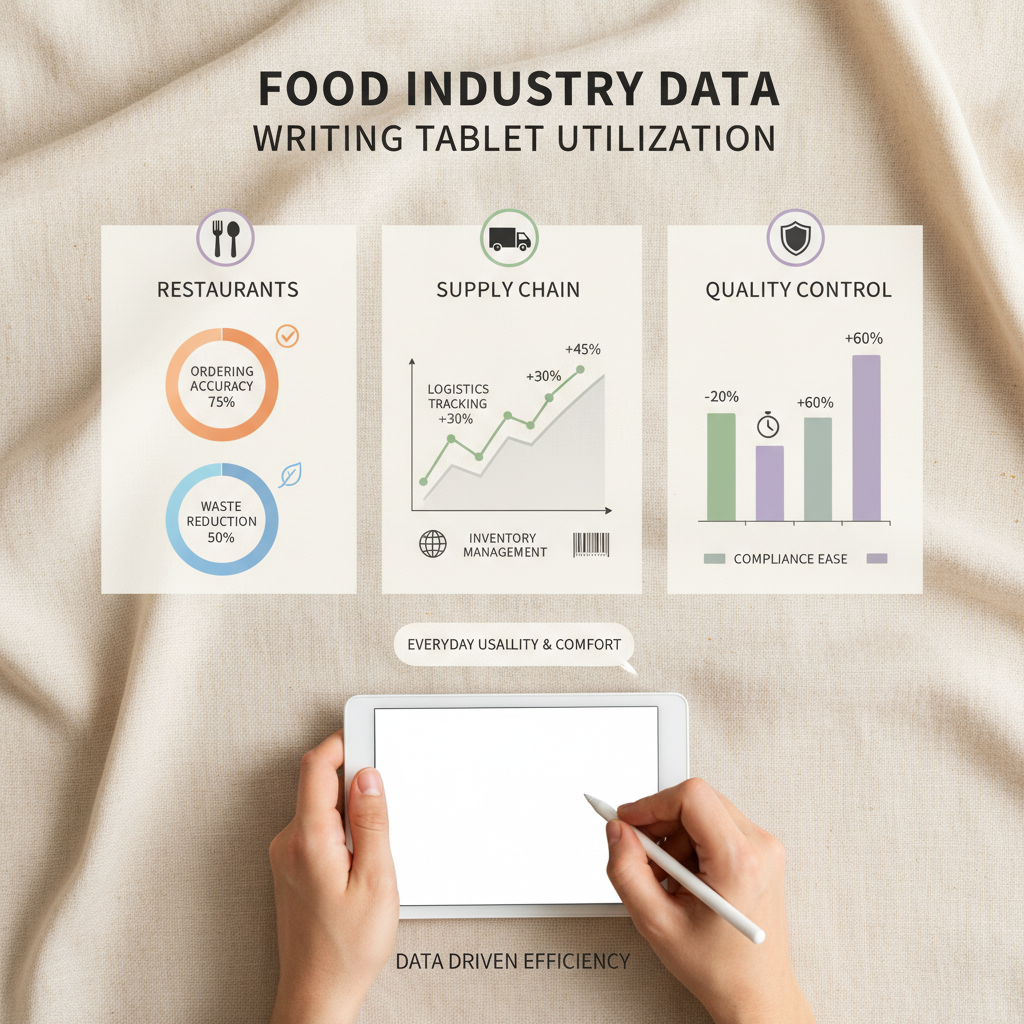
The versatility of the writing tablet allows it to be deployed across a vast array of industries. In the healthcare sector, clinicians use these devices for rapid patient charting and digital signatures, ensuring that medical records are updated in real-time while maintaining a natural writing process that doesn't disrupt the doctor-patient interaction.
In remote industrial zones, such as oil rigs or mining sites, the ruggedized writing tablet is indispensable. Engineers can sketch diagrams or note equipment failures in the field without worrying about wind blowing away paper or the screen glare of a traditional tablet, with the data later synced to a central cloud system for analysis.
Long-Term Value and Sustainability
From a logical standpoint, the adoption of a writing tablet offers an immediate reduction in operational costs. By eliminating the need for millions of sheets of paper, toner, and physical storage space, corporations can realize significant overhead savings. More importantly, this contributes to a broader corporate social responsibility (CSR) goal of reducing deforestation and landfill waste.
Beyond the financial metrics, there is an emotional and cognitive value to these devices. The act of handwriting is linked to better memory retention and deeper critical thinking compared to typing. By providing a digital medium that supports this cognitive process, the writing tablet preserves the "human" element of creativity while offering the security and backup capabilities of the digital age.
Reliability is the final pillar of its long-term value. Unlike laptops that require frequent OS updates and have complex failure points, a dedicated writing tablet is designed for a singular, high-performance purpose. This simplicity leads to higher trust among users who need a tool that "just works" every time the pen touches the surface.
Future Trends and Technical Innovations
The future of the writing tablet is closely tied to the development of flexible electronics. We are moving toward "foldable ink" displays that will allow a tablet to expand from a pocket-sized notebook to a full-scale drafting board. These materials will not only increase portability but also improve the durability of the screen against impacts and scratches.
AI integration is another frontier. Future devices will likely feature real-time OCR (Optical Character Recognition) that doesn't just digitize text but analyzes it. Imagine a writing tablet that can automatically convert a handwritten mathematical formula into a computed result or a rough sketch into a 3D CAD model instantaneously.
Sustainability will remain a core focus, with the move toward biodegradable polymers for the casing and kinetic charging technologies that harness the movement of the stylus to power the device. This transition will make the writing tablet a truly zero-emission tool for the next generation of thinkers and creators.
Comparative Analysis of Writing Tablet Technological Evolution
|
Generation
|
Display Tech
|
Input Precision
|
Eco-Impact
|
| Early Gen |
Basic LCD |
256 Levels |
High Energy |
| Standard Gen |
Standard E-Ink |
2048 Levels |
Moderate |
| Professional Gen |
High-Res E-Ink |
4096 Levels |
Low Energy |
| AI-Integrated |
Dynamic Ink |
8192 Levels |
Recyclable |
| Next-Gen Flex |
Foldable OLED/Ink |
Infinite/Haptic |
Carbon Neutral |
| Future Concept |
Holographic Ink |
Neural Interface |
Self-Sustaining |
FAQS
Professional writing tablets often use E-Ink technology and specialized matte screens that eliminate glare and eye strain, providing a tactile feel nearly identical to paper. Unlike multipurpose tablets, they lack distracting notifications and offer significantly longer battery life—often lasting weeks rather than hours—making them superior for deep-work sessions and long-term academic or professional documentation.
Depending on the screen technology, battery life varies greatly. LCD-based writing tablets may last a few days, but E-Ink models are designed for extreme efficiency, often lasting between 2 to 6 weeks on a single charge. This is because E-Ink only consumes power when the image on the screen is changed, making it ideal for users who are frequently on the move.
Yes, most modern writing tablets come equipped with Optical Character Recognition (OCR) software. This technology analyzes the strokes and converts them into editable digital text (such as .docx or .pdf formats). High-end models can even recognize multiple languages and mathematical symbols, allowing for seamless integration into digital workflows.
Many writing tablets are specifically engineered for industrial environments. These "ruggedized" versions feature reinforced casings, water-resistant seals (IP ratings), and scratch-resistant screen overlays. This makes them highly suitable for field engineers, construction managers, and researchers who need a reliable digital notebook in harsh conditions.
Not at all. Most current devices offer multiple synchronization methods, including cloud integration (Dropbox, Google Drive), Bluetooth wireless transfer, and traditional USB-C connections. This ensures that notes taken in the field can be instantly accessed and archived on a desktop or mobile device for further collaboration.
Absolutely. By replacing the constant consumption of paper and ink, a single writing tablet can save thousands of sheets of paper over its lifespan. When combined with energy-efficient E-Ink displays and recyclable materials, these devices significantly reduce the ecological footprint of documentation and administrative work in large organizations.
Conclusion
The integration of the writing tablet into modern professional and educational workflows represents a critical step toward a more sustainable and cognitively efficient future. By combining the timeless benefits of handwriting—such as improved memory and creativity—with the logistical advantages of digital storage and cloud synchronization, these devices solve the age-old conflict between analog intuition and digital precision.
Looking ahead, the continued evolution of flexible displays and AI-driven recognition will further blur the line between the physical and digital page. For organizations and individuals seeking to optimize their productivity while embracing environmental stewardship, adopting this technology is no longer optional but a strategic advantage. We invite you to explore the future of digital notation. Visit our website: www.zkslzc.com